Parking Loss Dominates Consultation on Halifax's North End Complete Streets Project
The second phase of Halifax's North End Complete Streets project is undergoing public consultation, with concept designs proposing sidewalk, bikeway, and public space improvements across 4.8 kilometres. The removal of on-street parking to accommodate bike lanes has emerged as the primary concern among residents.
The second phase of Halifax's North End Complete Streets project is currently undergoing public consultation, presenting concept designs focused on improving sidewalks, pedestrian crossings, bikeways, and public spaces based on community engagement from 2025. 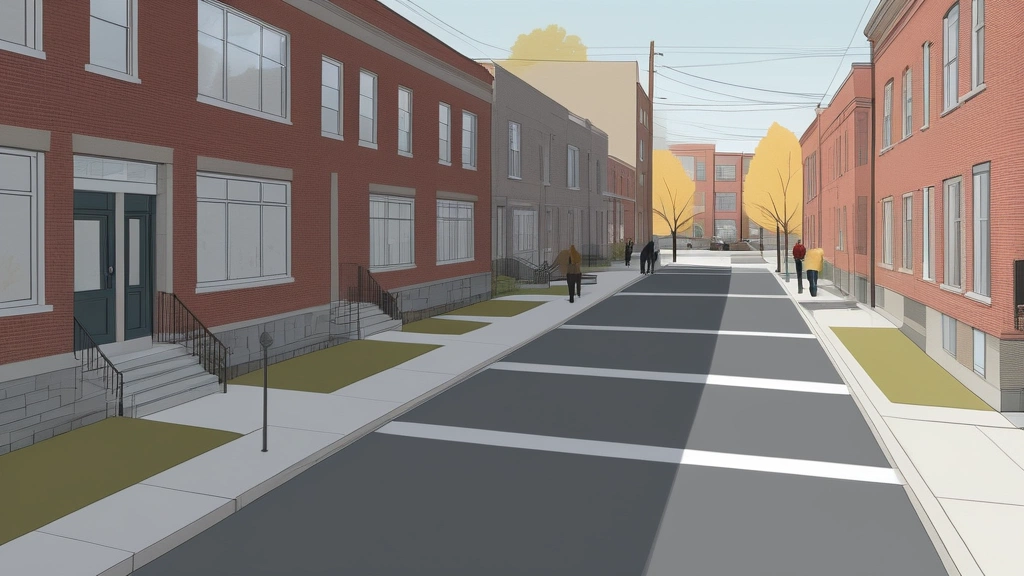
The project covers approximately 4.8 kilometres in Halifax's North End, Nova Scotia, and is divided into five zones: the North-South Corridor (Maynard, Creighton, Northwood, and Fuller Streets), School Street (Creighton Street between North and Charles Streets), Charles Street, Cunard Street, and Nora Bernard Street. Two proposed concepts have been presented for each area.
Four public consultation sessions were held recently, and an online survey was made available for residents to share their opinions. Anders Turim, an active transportation planner for the Halifax Regional Municipality, stated that concerns about parking loss were the main issue heard during the public sessions.
Concept designs propose removing some on-street parking on the south side of Nora Bernard Street and the west side of Fuller Terrace Street between Bloomfield and North Street to install bike lanes. Resident Andrew Breen noted that one proposal removes 14 parking spots on his block, which he believes does not work for residents who rely on street parking. Some residents argue that losing dozens of parking spots exacerbates existing issues for car owners and cite insufficient cyclist volume, while others support the safety improvements and new east-west cycling connections.
Pedestrian-friendly concepts for Creighton Street include chicanes to enforce a 15 kph speed limit, curb extensions, and the removal of speed bumps. Additional impacts outlined in the project include improved pedestrian safety through traffic calming measures like raised crosswalks, as well as streetscaping improvements featuring permanent patio and public amenity spaces. 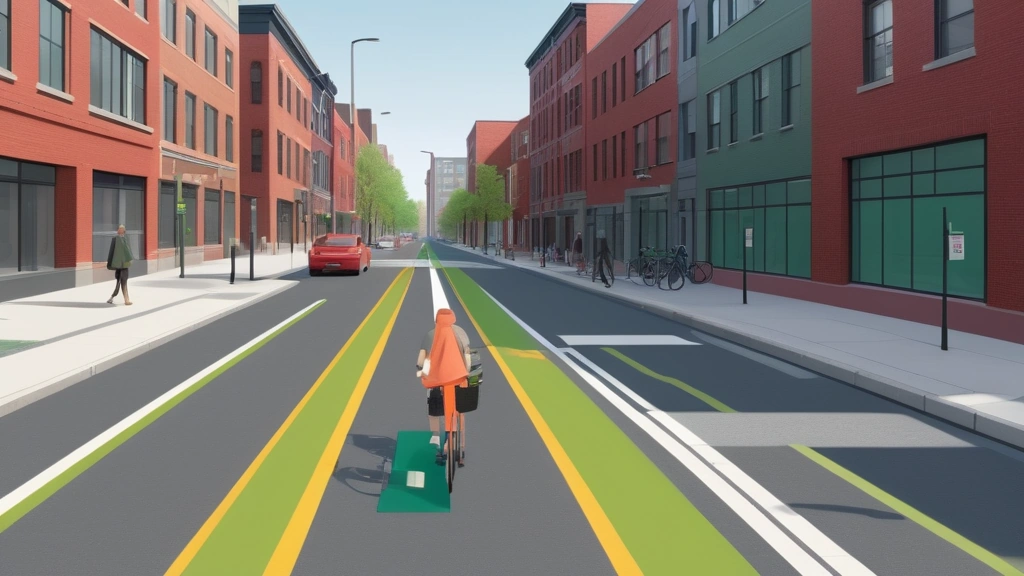
A third round of public consultation will occur in the spring, with a final plan expected in the summer of 2027.