Butterball Turkey Plants Show Salmonella Contamination Rates Far Above USDA Limits
An analysis of USDA inspection data reveals that nearly 43% of ground or chopped turkey samples at Butterball plants contained salmonella, significantly exceeding the industry average. At its Mount Olive, North Carolina facility, the contamination rate reached 36%, well above the USDA's 13.5% acceptable limit, though no fines or recalls are mandated for exceeding this threshold.
Inspectors found salmonella bacteria in more than a third of ground or chopped turkey samples at slaughterhouses owned by Butterball, the largest turkey producer in the United States. An investigative analysis of US Department of Agriculture (USDA) Food Safety and Inspection Service (FSIS) data for fiscal years 2025 and 2026 revealed that just under 43% of ground or chopped turkey sampled over the past year at four Butterball plants contained salmonella. No salmonella contamination was identified in Butterball’s whole birds or ready-to-eat cooked products.
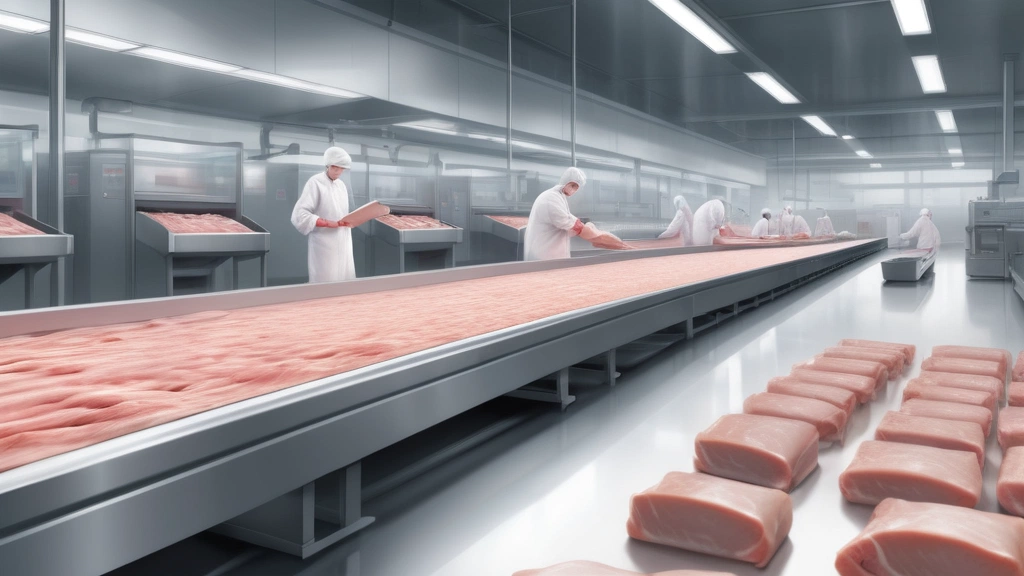
At Butterball’s Mount Olive factory in North Carolina, FSIS inspectors found salmonella in 16 of 45 ground or chopped turkey samples tested, resulting in a 36% contamination rate. The USDA’s acceptable limit for salmonella contamination in individual plants is 13.5%, but exceeding this limit does not result in fines or mandatory product recalls. The Mount Olive plant processes 285,000 birds a week and supplies raw ground turkey, burgers, and sausages to Walmart, Costco, Kroger, and fast-food companies.
The data also indicates high levels of antibiotic-resistant pathogens. Two-thirds of samples taken from birds’ intestines across all Butterball slaughterhouses in fiscal year 2026 that contained salmonella and campylobacter showed strains resistant to at least one antibiotic. At Butterball’s slaughterhouses, 65% of positive samples were resistant to at least one antibiotic drug, compared with 61% at rival company Jennie-O. Jennie-O recorded a 7% contamination rate for ground and chopped turkey samples in the last year. California-based Foster Farms registered a contamination rate of 29%, with 55% of pathogens resistant, while Illinois-based Koch Foods had a 27% contamination rate with 51% resistance. Across the entire US meat industry, the average pathogen contamination rate is 12%, with an average drug resistance rate of 33%.

According to the Centers for Disease Control and Prevention (CDC), about 25,500 Americans are hospitalized annually after exposure to salmonella and campylobacter, leading to 435 deaths. In 2019, Butterball recalled almost 80,000 lbs (36,000 kg) of turkey products from Mount Olive following an illness outbreak likely caused by salmonella linked to the company’s products.
Butterball stated that 60% of its turkeys did not receive antibiotics last year. However, broader industry trends show rising pharmaceutical use: in 2024, pharmaceutical companies sold 16% more drugs to the animal agriculture industry than in the previous year, according to US Food and Drug Administration (FDA) data.
Disagreements persist over how contamination should be measured and managed. Butterball executive Alice Johnson argues the FSIS should measure the quantity of salmonella rather than just its presence, whereas expert Sarah Sorscher states that having no salmonella is the ideal standard. Butterball claims adherence to science-based animal welfare standards regarding space allowances, while Project Slingshot co-founder Naomi Hallum argues that overcrowded industrial sheds necessitate antibiotic use. The Animal Health Institute defends giving healthy animals antibiotics to prevent disease, while the World Health Organization strongly recommends against routine use of antibiotics on healthy animals.