Quebec Lieutenant-Governor to Skip Cabinet Swearing-In in Historic Break from Monarchical Protocol
Lieutenant-Governor Manon Jeannotte will not preside over the swearing-in of Quebec's new cabinet at the request of Premier-designate Paul St-Pierre Plamondon, marking a historic first. The move follows the Parti Québécois' minority election win and coincides with a legal challenge over a law making the oath to King Charles optional.
Lieutenant-Governor Manon Jeannotte will not preside over the swearing-in ceremony of Quebec's new cabinet, fulfilling a written request from Premier-designate Paul St-Pierre Plamondon. This marks the first time a lieutenant-governor will not preside over a new government's cabinet swearing-in at the National Assembly.
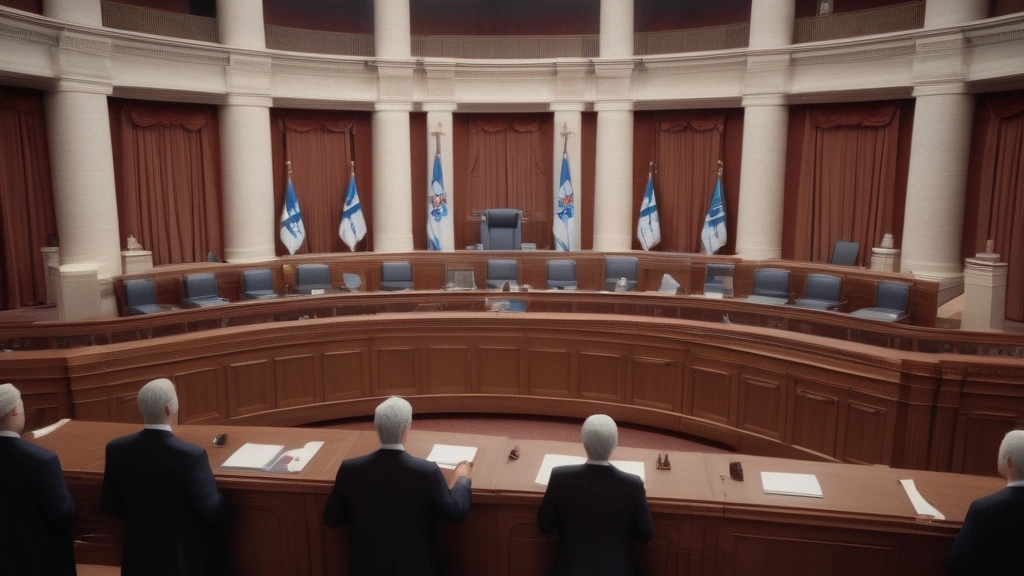
Jeannotte accepted the request and will watch the event on a screen from her office while signing appointment documents behind the scenes. Her office stated she is exercising discretion to keep attention focused on democratic institutions rather than herself. New ministers can begin work immediately despite the absence of the lieutenant-governor at the ceremony.
In his letter, St-Pierre Plamondon stated that his incoming government intends to abolish the monarchy in Quebec within democratic institutions and civil society. The Parti Québécois (PQ) won a minority government in the provincial election held on Oct. 5.
The ceremonial shift comes as the incoming PQ government faces a legal challenge regarding its anti-monarchy agenda. Lawyer Lawrence David filed an emergency injunction to force the incoming government to swear allegiance to King Charles, challenging Bill 4, a 2022 law that made the oath optional. A court hearing for the emergency injunction is scheduled for Tuesday before Judge Ian Demers.
David argues that Quebec unilaterally altered the Constitution Act of 1867 without required unanimous consent from federal and provincial legislatures. The lawsuit also alleges Bill 4 violates Section 3 of the Canadian Charter of Rights and Freedoms by disqualifying politicians who do not take the oath. If the stay is granted, incoming MNAs who refuse the oath could be legally barred from taking their seats when the legislature reconvenes in mid-November.