U.S. and Iran Exchange Strikes as Mediation Efforts Continue Amid Nearly Nine-Month Conflict
The United States and Iran traded military strikes on Tuesday, with U.S. fighter jets targeting a Revolutionary Guard missile launch site on Qeshm Island after Iran claimed it hit a U.S. radar system in Bahrain. The escalation comes despite ongoing mediation by Oman and Qatar to end the nearly nine-month war, which has disrupted Strait of Hormuz shipping, driven up global energy prices, and contributed to Republican losses in recent U.S. midterm elections.
The United States and Iran exchanged military fire on Tuesday, marking another escalation in a conflict that began with U.S. and Israeli attacks on Iran on February 28. U.S. fighter jets struck an Islamic Revolutionary Guard Corps missile launch site on Qeshm Island in the Strait of Hormuz. The attack followed claims by the Revolutionary Guard that it had targeted a U.S. military radar system at the Sheikh Isa base in Bahrain. 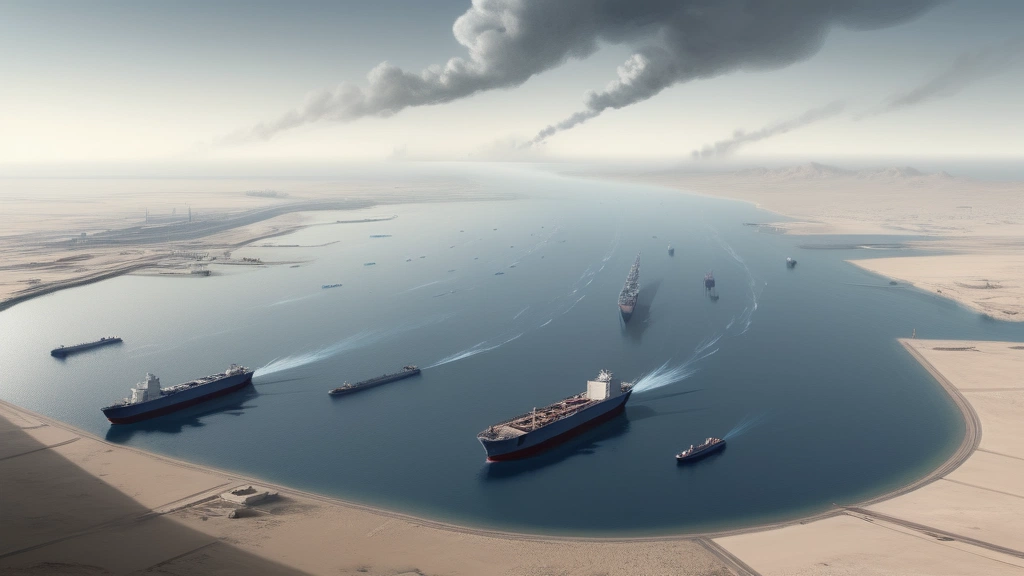
Bahrain intercepted the Iranian attack, issued air raid alerts, and reported no casualties or damage. Iranian media stated that the U.S. strike on Qeshm Island did not damage infrastructure.
Tensions were further inflamed by a CNN report alleging that Tehran was developing plans to target seven senior members of the Trump administration with a dirty bomb in Washington, D.C., citing anonymous officials. The Iranian Foreign Ministry explicitly rejected the report as "baseless allegations," and a White House spokesperson denied it, stating there were "no credible threats." President Donald Trump, attending the Association of Southeast Asian Nations (ASEAN) summit in Manila, warned Iran of severe consequences for any attack inside the U.S.
Despite the violence, diplomatic efforts to end the nearly nine-month war are continuing. Mediators from Oman and Qatar have held talks with Iran. Iranian Foreign Minister Abbas Araghchi visited Oman to discuss safeguarding maritime corridors and revitalizing dialogue channels. Qatar announced it would hold a meeting with Iranian officials on Tuesday as part of these ongoing mediation efforts.
The conflict has severely disrupted shipping through the Strait of Hormuz, which carried one-fifth of global energy supplies before the war. Traffic through the strait has averaged 10.5 million barrels of oil per day since the start of October, according to data firm Kpler. While this is an increase from earlier lows, it remains below the pre-war average of 13.5 million barrels per day. The disruption has fueled an increase in global energy prices and caused widespread economic problems. 
Maritime security incidents continue to be reported. The United Kingdom Maritime Trade Operations agency stated that a tanker crew was unaccounted for following an attack north of Khasab, Oman. Additionally, Iran's Revolutionary Guard claimed that a ship carrying liquefied natural gas and an oil tanker caught fire in the strait, though Reuters could not independently verify the claim.
The domestic political fallout from the war has been significant in the United States. The U.S. has spent at least $40 billion on the conflict. Rising costs of living linked to the war were cited as a factor in the Republican Party's losses in the midterm elections two weeks ago, fueling voter anger.