Iran Reports Seven Oil Tankers Damaged in Strait of Hormuz as Tensions Escalate
Tehran claims seven oil tankers were damaged or caught fire in the Strait of Hormuz overnight, attributing the incidents to Iranian strikes or naval mines. The reports come amid rising fears of a return to all-out war, with the U.S. deploying additional military assets and diplomatic efforts stalling.
Seven oil tankers caught fire or were damaged overnight in the Strait of Hormuz after being hit by Iran or striking naval mines, according to Tehran. The incidents occurred on Thursday amid growing concerns about a return to all-out war between the U.S., Israel, and Iran.
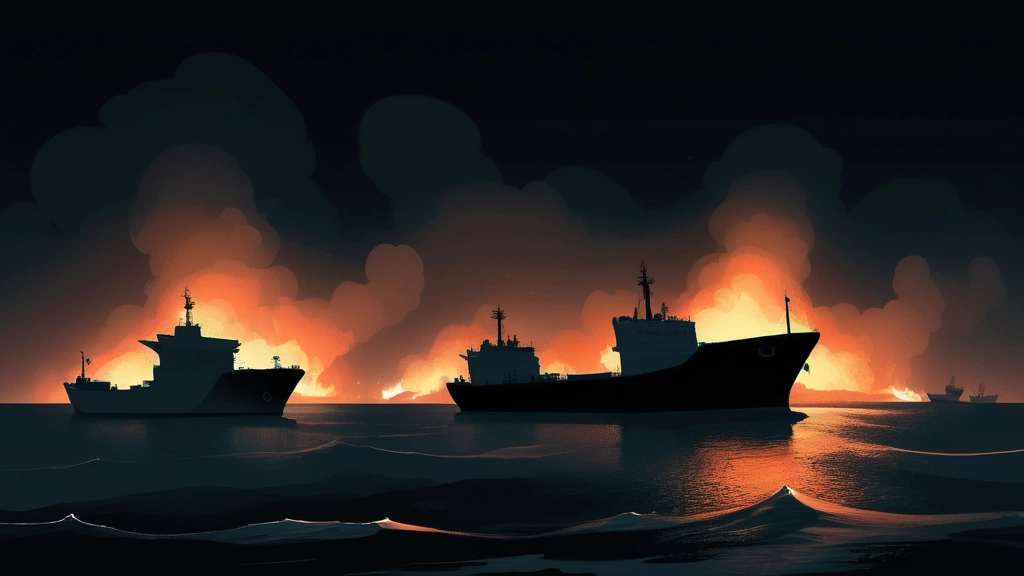
Iranian state television cited the Revolutionary Guard Corps navy for the claims regarding the attacks on the ships. The Revolutionary Guard Corps navy also threatened to strike U.S. military bases in the region if the United States continues guiding commercial ships through the strait. However, the United Kingdom Maritime Trade Operations did not report these specific attacks, though monitors noted reluctance by some shippers to report incidents.
Since the conflict began with U.S. and Israeli attacks on Iran on Feb. 28, the situation has steadily escalated. U.S. President Donald Trump recently rejected Iran's latest seven-day proposal to end the war and fully open the strait. Since Trump's rejection of the proposal, attacks on ships transiting the Strait of Hormuz have increased.
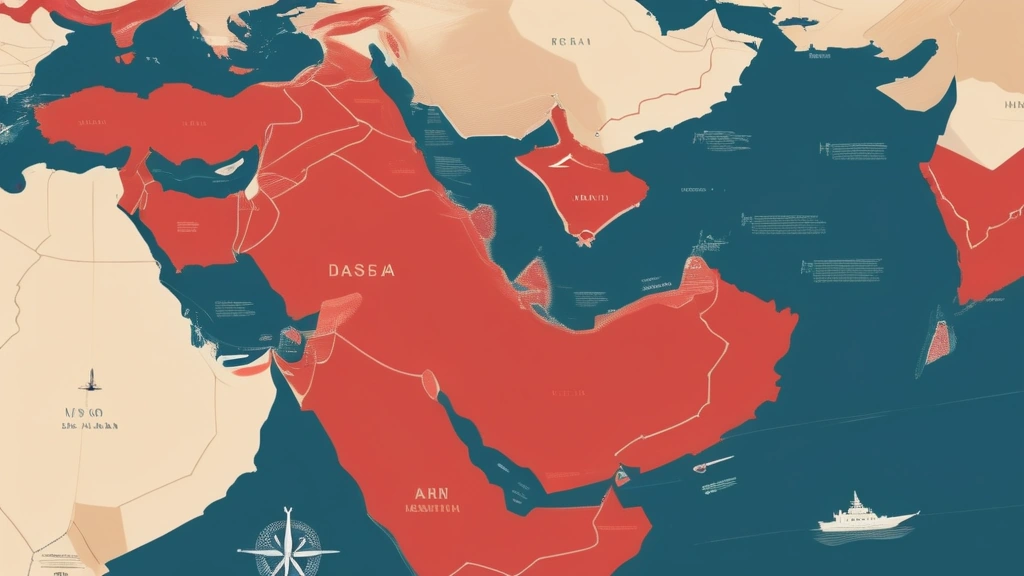
In response to the deteriorating security environment, the United States is sending more military assets to the region, including a third aircraft carrier and thousands of troops. Meanwhile, Iran's top diplomat Abbas Araghchi stated on Wednesday that Tehran remains open to diplomacy but is ready to defend itself. Tehran has also indicated it could expand targets to include infrastructure such as undersea cables and data centres.
The escalating hostilities carry significant consequences, including potential endangerment of civilians throughout the region and complications for global deliveries of oil, natural gas, and fertilizer. A likely spike in prices tied to the disruptions has also raised concerns about voter anger ahead of U.S. midterm elections.