Kentville’s Population Surge Tests Infrastructure as Growth Accelerates
After decades of stagnation, Kentville, Nova Scotia, is experiencing rapid population growth driven by new residential developments. While officials welcome the expanded tax base, local business owners and residents highlight significant challenges regarding infrastructure capacity, including sewage treatment, school overcrowding, and hospital strain.
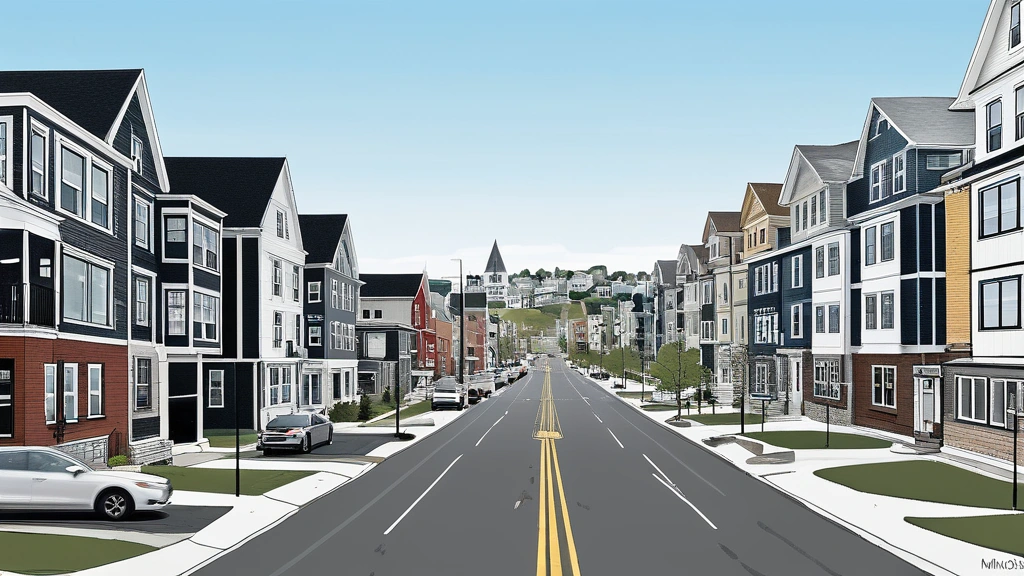
The Town of Kentville in Nova Scotia is undergoing a dramatic demographic shift after a prolonged period of stagnation. Between 1991 and 2006, the town’s population remained relatively flat, rising only from 5,506 to 5,815. However, recent years have seen accelerated expansion, with the 2021 census recording a population of 6,630. Current estimates place the number of residents between 7,500 and 8,000.
This growth is fueled by a wave of new residential projects, including multi-storey apartment towers, row houses, condos, and large-scale seniors housing developments expected to add more than 1,000 units. One four-building development added 100 rental units that were occupied before construction was even complete. Additionally, an eight-storey tower is planned to provide approximately 80 apartments by June, with another tower slated for the same site.
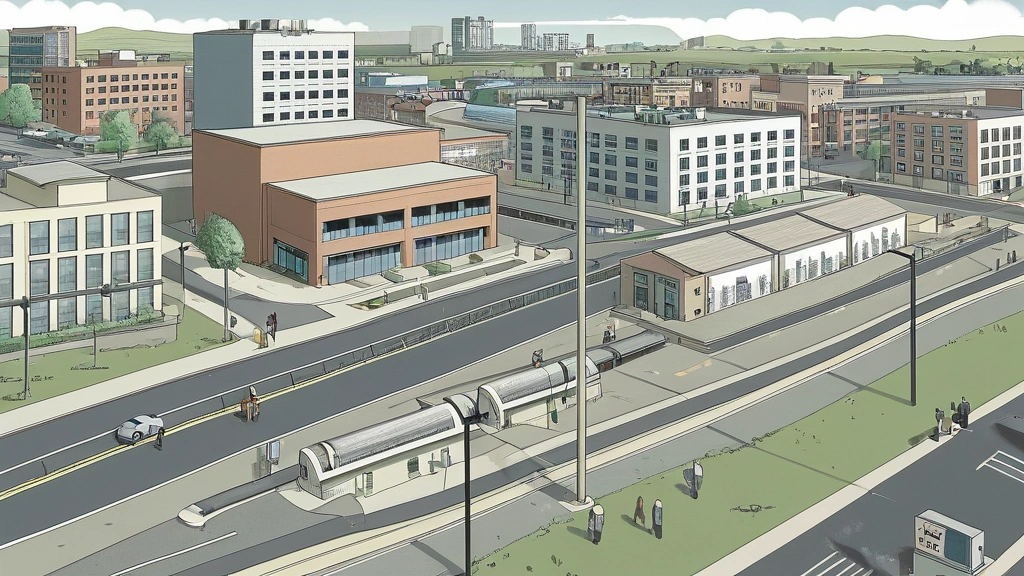
Mayor Andrew Zebian notes that while this expansion increases the town’s tax base—potentially allowing for improved municipal services—it also presents substantial challenges regarding infrastructure capacity. Key concerns include water systems, sewage treatment, traffic management, and the availability of school and hospital services.
The strain on existing infrastructure is already evident. The town’s school has been operating over capacity almost since it opened 15 years ago. Furthermore, sewage from Kentville is sent to a regional treatment plant in New Minas, which is currently over capacity. Valley Regional Hospital also faces pressure, handling emergency cases from Annapolis, Hants, and Digby counties due to staff shortages at hospitals in those regions.
Local business owners generally support the growth but emphasize the need for parallel improvements to ensure prosperity. Dave Reid of D.M. Reid Jewellers, who has operated in Kentville for more than four decades, criticizes the defunding of the volunteer-run Kentville Development Corp., which was replaced by a town office, noting a loss of community voice. Rachael Butcher and Krista McDonald, owners of Wholesum Refillery, point out that public parking in the downtown core is limited to two hours, raising concerns about pedestrian safety and commercial diversity.
Jaimie and Aaron Peerless, who purchased Porter’s Custom Trophy and Engraving and their own building last year, cite Halifax as an example where rapid population growth did not immediately translate to increased productivity or GDP per capita. They suggest that without careful planning, potential declines in disposable income could occur if housing costs rise faster than wages.
Estimates suggest that the area around the Donald E Hitz Collector Road, which runs across the south part of town from the industrial park to Prospect Avenue, could double the town’s population. As Kentville navigates this transition, balancing economic opportunity with infrastructure sustainability remains a central challenge for officials and residents alike.