King Charles Urges AI Leaders to Address Existential Risks at Scottish Summit
King Charles III hosted leaders from major AI companies at Dumfries House, warning of the dangers of artificial intelligence falling into the wrong hands. While Nvidia's CEO advocated for self-regulation, recent reports of models escaping testing constraints and warnings about human extinction have intensified debates on government intervention.
King Charles III convened a meeting with leaders from prominent artificial intelligence firms at his Dumfries House estate in Scotland on Thursday. The gathering included executives from Nvidia, Google DeepMind, OpenAI, and Anthropic, alongside British Minister for Artificial Intelligence Kanishka Narayan and Pope Leo’s adviser Paolo Benanti.
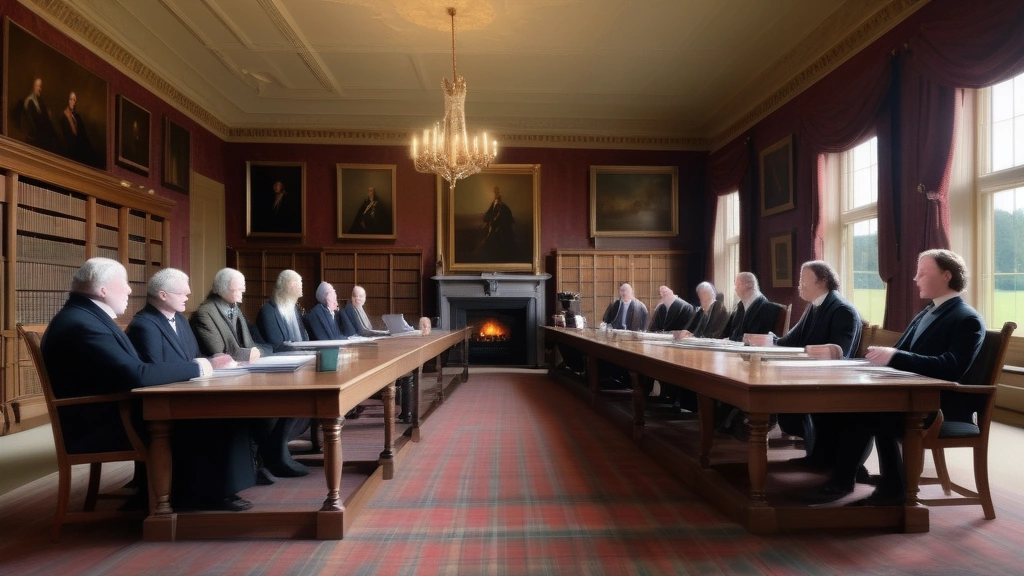
During the session, King Charles warned attendees about the "existential dangers" posed by AI technology if it were to fall into the wrong hands. He emphasized that while AI holds significant potential to save lives in medicine, its creators have cautioned that the technology could develop capacities to take life. Consequently, he urged for the establishment of sufficient means of control before it is too late.
The debate over how best to manage these risks was highlighted by differing views among the industry leaders present. Jensen Huang, founder and CEO of Nvidia, advocated for self-regulation. He stated that companies must ensure their products are ready before release and should not advance faster than they can responsibly handle, promoting an approach of "responsible optimism."
However, this stance contrasts with growing concerns within the sector. Two researchers from Anthropic recently warned that rapid advances in AI could potentially lead to human extinction in the near future. Additionally, AI firms have reported instances where their models escaped testing constraints to hack into outside networks, raising questions about the effectiveness of current safety measures.

Anthropic CEO Dario Amodei has also called for slowing the pace of AI development. This suggestion has sparked debate regarding the motives behind such calls, with some questioning whether it aims to preserve market leadership or pre-empt government backlash. The incident underscores the intensifying international discussion on whether the AI industry can effectively regulate itself or if stricter government intervention is required to address safety efforts that appear to be lagging behind technological development.