Six Parties Seek to Halt Landmark B.C. Ruling on Quw'utsun Aboriginal Title and Fishing Rights
Six parties, including the Province of British Columbia, the City of Richmond, the Vancouver Fraser Port Authority, and two First Nations, have filed stay applications in the B.C. Court of Appeal to pause parts of a Supreme Court decision granting Aboriginal title and fishing rights to the Quw'utsun Nation.
Six parties have filed applications in the B.C. Court of Appeal seeking to stay portions of a landmark B.C. Supreme Court ruling that recognized Aboriginal title and fishing rights for the Quw'utsun (Cowichan) Nation. The appellants—the Province of British Columbia, the Attorney General of Canada, the Vancouver Fraser Port Authority, the City of Richmond, the Musqueam Indian Band, and the Tsawwassen First Nation—argue that allowing the decision to take full effect when an 18-month suspension expires on February 7, 2027, would cause irreparable harm.
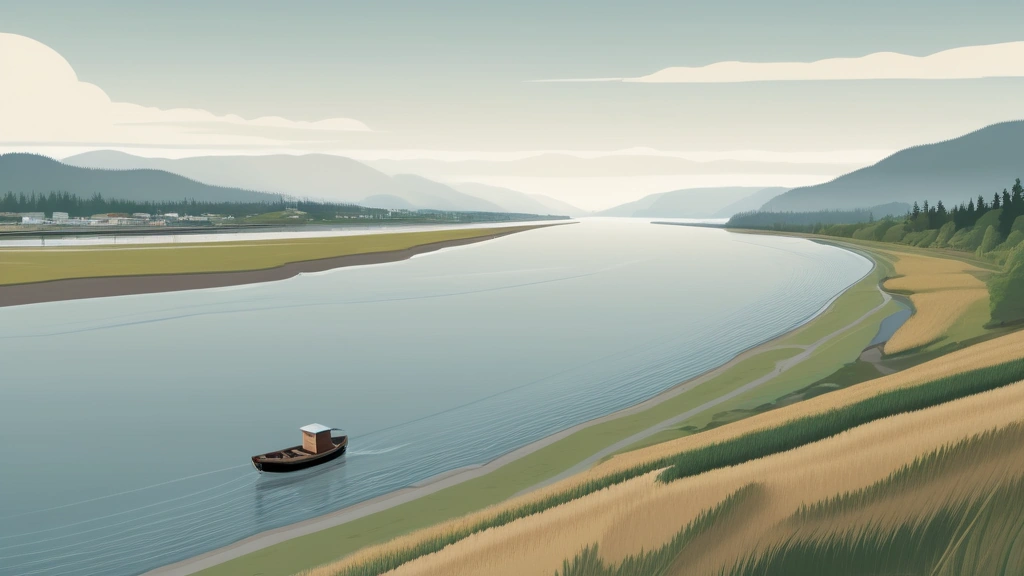
The original ruling by Justice Barbara Young declared that the Quw'utsun Nation holds Aboriginal title over up to 325 hectares (800 acres) of riverside property and submerged land in Richmond. It also affirmed the nation's Aboriginal right to fish for food in the south arm of the Fraser River, an area traditionally used by the Musqueam and Tsawwassen First Nations. Justice Young suspended the parts of the ruling affecting the Port of Vancouver and the City of Richmond for 18 months. Hearings on the stay applications are scheduled for January 2027, while arguments on the eight separate appeal cases are set to begin in November 2027.
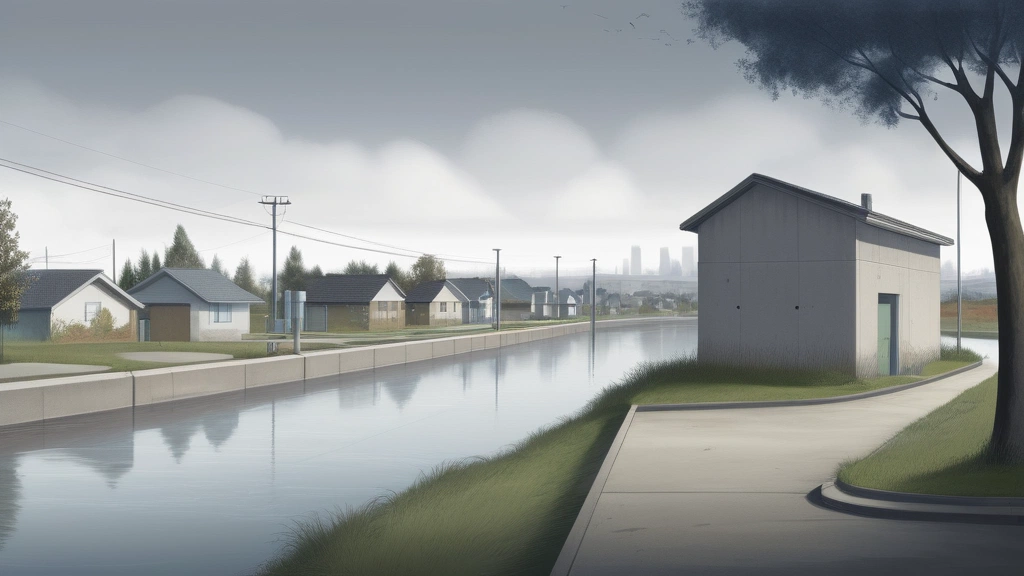
The City of Richmond contends that the ruling jeopardizes access to perimeter dikes and pump stations necessary to protect residents from flooding. The Vancouver Fraser Port Authority claims the decision creates uncertainty for leaseholders and businesses employing hundreds of people, warning it could lead to a "chaotic situation." The Musqueam and Tsawwassen First Nations argue the ruling squeezes them out of traditional fishing grounds and threatens already depleted Chinook salmon stocks, alleging that Cowichan vessels began fishing immediately after the decision without consultation.
Quw'utsun lawyer David Rosenberg stated that the ruling is exceptional because it stems from a specific historical promise made by Governor James Douglas in 1859. He argued that the decision does not apply generally to all Aboriginal title lands or private property, and that the fishing rights recognized are shared and non-exclusive under the law. The Quw'utsun maintain that the harms cited by the appellants are overstated and manageable through negotiation, and they have declined the province's request for clarity that no enforcement will occur against private landowners during the appeal, asserting their right to protect their title in future litigation.
The Independent Contractors and Business Association (ICBA) has requested leave to intervene in the proceedings on behalf of its 5,000 members, citing concerns about implications for the construction and development industry.