Nearly 80% of Halifax Housing Starts Now Target the Rental Market
As of October, approximately 80 per cent of housing construction starts in Halifax are for rentals, a sharp shift from a decade ago when ownership and condominiums accounted for 45 per cent. Rising home prices, government incentives, and weak condo demand are driving developers toward purpose-built rental projects.
Nearly four out of every five housing construction starts in Halifax as of October have been for the rental market, marking a significant departure from a decade ago when 45 per cent of starts were intended for ownership or condominiums.
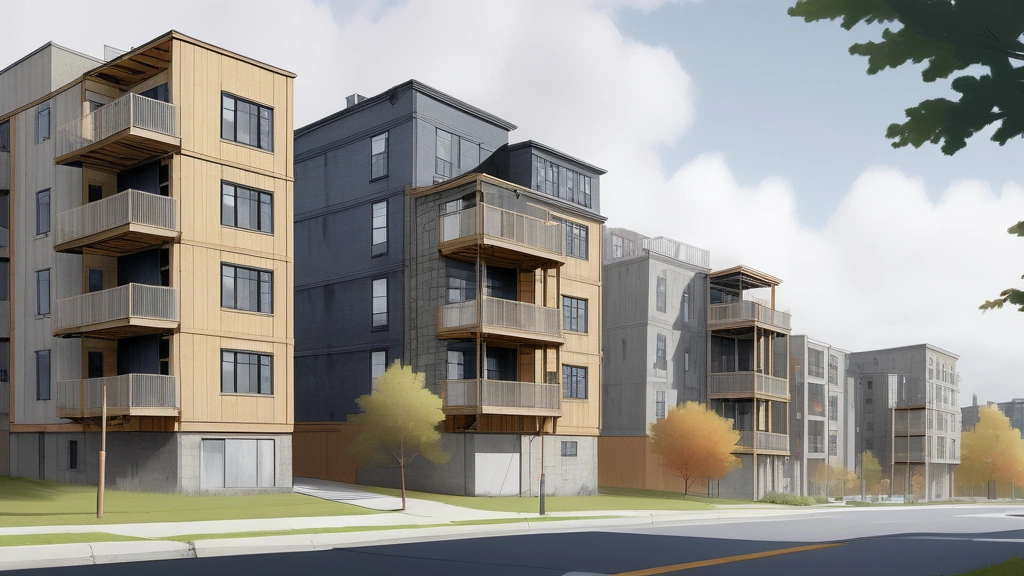
Duncan Williams, CEO of Nova Scotia’s construction association, said government incentives—particularly low-cost funding from the Canada Mortgage and Housing Corporation (CMHC)—lower the financial risk for developers building rental projects. This financing availability has made purpose-built rentals a more attractive option compared to other housing types.
Municipal policy has also shaped the trend. Jeffrey Biggar, an associate professor at Dalhousie University, noted that Halifax has pursued increased housing density over the last six to 10 years, encouraging mid-rise concrete structures.
Condominium development has slowed dramatically. In the last four years, there have been only 144 housing starts for condos in Halifax, with zero condo starts recorded so far this year. Some empty condos in the city are being converted into rentals, while other condo projects have been delayed or cancelled. Biggar suggested that a lack of consumer demand and the requirement for pre-sales before securing financing make condo projects riskier and less viable for developers.
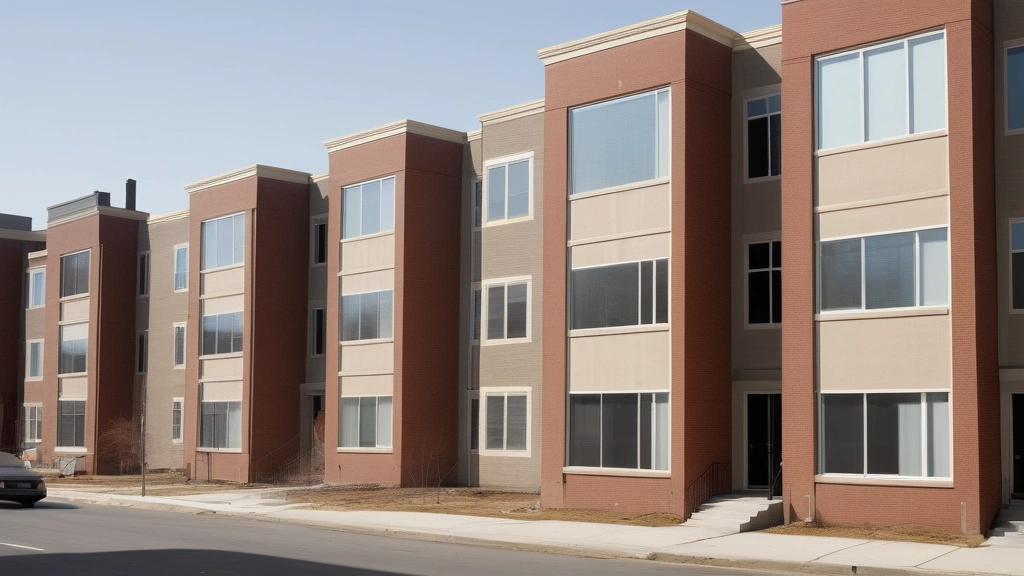
High homeownership costs are further reinforcing the shift. The benchmark price for a middle-of-the-road single-family home in Halifax and Dartmouth was $570,300 in October, according to the Canadian Real Estate Association—more than double the price from a decade ago. High down payment requirements and legal fees are causing some residents to delay moving out of apartments, contributing to sustained rental demand.
While cultural preferences for homeownership persist among residents, developers are focusing on rentals due to lower financial risk. City planners view “missing middle” housing, such as townhouses and multiplexes, as a way to balance the benefits of higher density with housing supply for both the rental and ownership markets.