Over 60% of Nova Scotians Opt Into Race-Based Health Data Project
Nearly 695,000 Nova Scotians have shared self-declared race and linguistic information with the province's Health Department to help identify healthcare inequities. Officials say full analysis cannot begin until data governance structures are established.
More than 60 per cent of Nova Scotians have opted into a provincial health data project by sharing their self-declared race and linguistic identities with the Department of Health and Wellness. As of the start of November, nearly 695,000 individuals had volunteered this information.
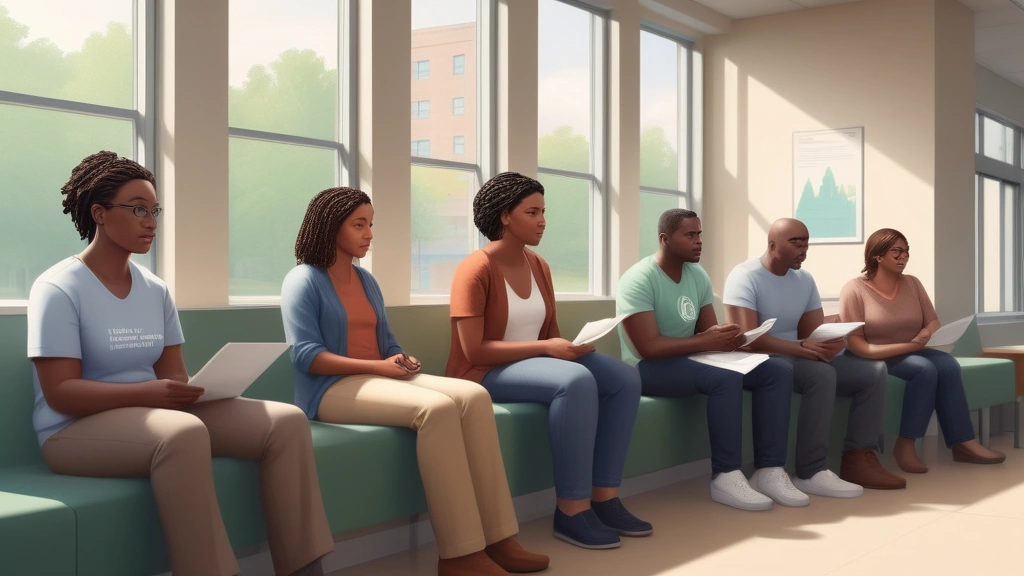
The province began collecting some race and linguistic data during COVID-19 vaccinations and broadened the opt-in project in 2022. Participants can select from 10 race categories: Indigenous, African Nova Scotian, African descent, Latin American, Middle Eastern, East Asian, Southeast Asian, South Asian, European descent, or other. For language, participants may choose English, French, or other.
Nova Scotia is one of a few Canadian provinces, along with Manitoba and Prince Edward Island, adopting this practice in recent years. The resulting dataset is intended to analyze and correct inequities in the health-care system, including barriers such as racism, discrimination, dismissal of health concerns, and language or cultural obstacles.
Despite the high participation rate, full analysis has not yet begun. Rod Francis stated that only data cleaning has been completed so far, and comprehensive analysis awaits decisions on data governance to ensure ethical use and community trust.

Advocates emphasize the urgency of establishing these governance structures, particularly given the rise of artificial intelligence and related data sovereignty concerns. Sharon Davis-Murdoch, who has advocated for 26 years, noted that the Black population in Nova Scotia experiences higher rates of illnesses including diabetes, hypertension, and some cancers. Supporters say the collected data could validate anecdotal experiences regarding these disparities among specific racial groups.