Manitoba Premier Calls for Abolition of Indian Act at Historic Ottawa Meeting
Manitoba Premier Wab Kinew urged the abolition of the 150-year-old Indian Act during a landmark gathering in Ottawa that brought together Prime Minister Mark Carney, provincial premiers, and First Nations chiefs—the first such meeting on Indigenous rights in two decades.
Manitoba Premier Wab Kinew stated it is time to abolish the Indian Act during a scrum in Ottawa on Monday, coinciding with the first gathering of First Nations leaders and Canada's first ministers to discuss Indigenous rights in two decades. 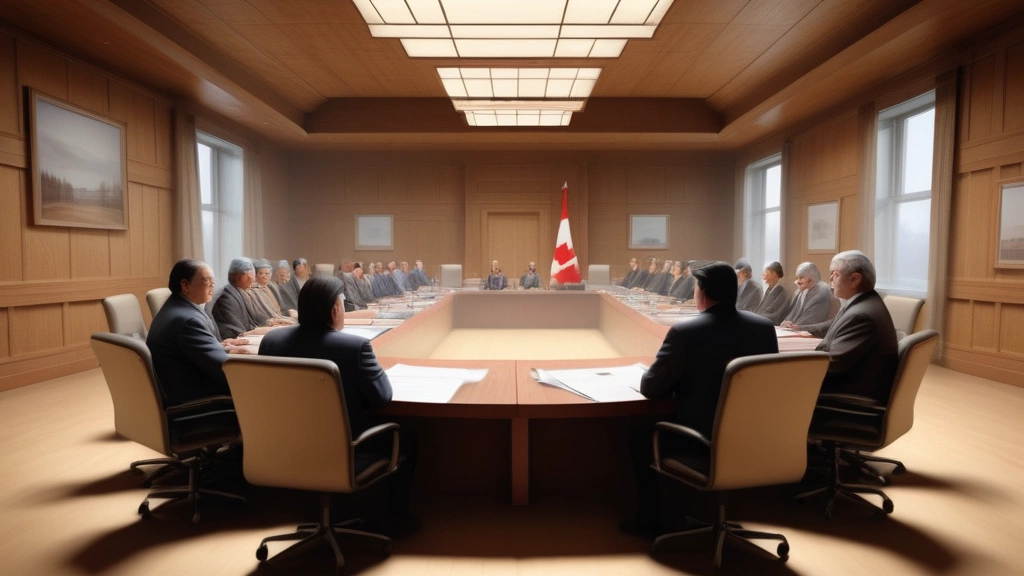
Prime Minister Mark Carney and most provincial premiers met with chiefs from the Assembly of First Nations in a closed-door session. Cindy Woodhouse Nepinak, national chief of the Assembly of First Nations, stated the meeting aims to help build prosperity for coming generations.
The last similar high-level meeting was the Kelowna Accord talks in 2005, which involved then-Prime Minister Paul Martin and Indigenous leaders. That agreement was not implemented after the Conservative government under Stephen Harper took office shortly thereafter.
To illustrate the existence of race-based identification in Canada, Kinew held up his status card, which identifies him as an "Indian" within the meaning of the Indian Act. The legislation came into effect in 1876 and has governed the lives of First Nations people for approximately 150 years, controlling aspects of life including community governance and legal identity. Kinew asserted that abolishing the Indian Act would not eliminate treaties or constitutional rights for First Nations people. 
The meeting occurred amid heightened tensions between Ottawa and First Nations. Tensions increased after Carney's government passed legislation to create a new office for streamlining major project developments with one-year approval timelines. Some First Nations chiefs view the effort to streamline project approvals as a threat to their rights.