Nova Scotia drug users and doctors call for more inpatient withdrawal beds amid shift to day treatment
Drug users and medical professionals in Nova Scotia are urging the province to expand long-term inpatient withdrawal management, warning that a reliance on daytime-only treatment leaves clients vulnerable to relapse. The province currently operates just 31 public inpatient detox beds across three hospitals alongside 12 recovery support centres and 22 opioid recovery clinics.
Drug users and medical professionals in Nova Scotia are calling for an expansion of long-term inpatient withdrawal management options, arguing that the province’s shift toward day-treatment facilities leaves clients exposed to relapse when they return home at night.

Many people seeking drug treatment say that returning to toxic home environments after attending daytime programs undermines their recovery. Nova Scotia has moved away from inpatient withdrawal management, commonly known as detox, toward community-based day-treatment facilities—a transition that has drawn criticism from both clients and some physicians.
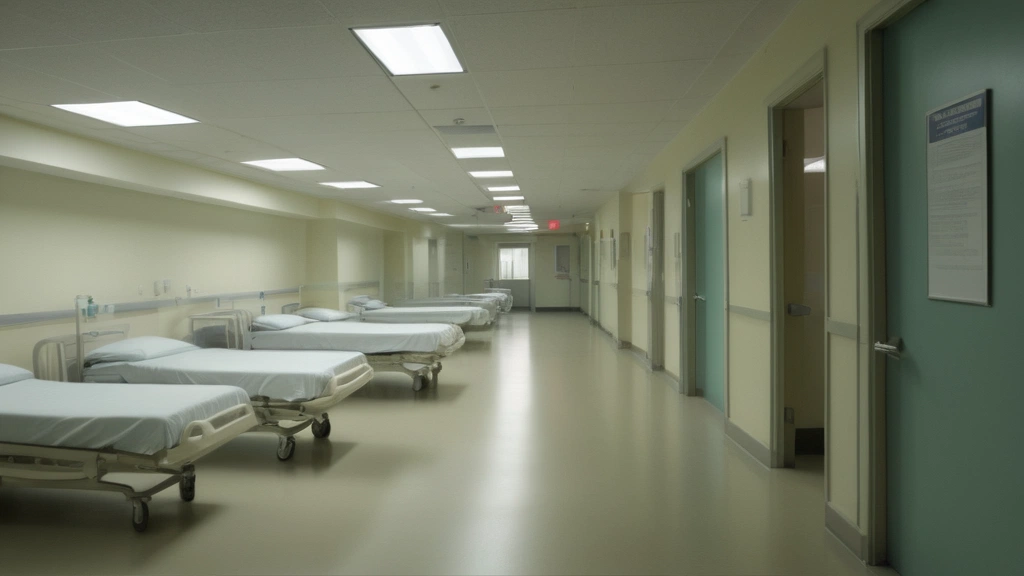
The province currently operates 12 recovery support centres and 22 opioid recovery program clinics in communities across Nova Scotia, but these facilities only operate during daytime hours. In contrast, there are just 31 public inpatient withdrawal management beds available provincewide: eight at Cape Breton Regional Hospital, 10 at All Saints Hospital in Springhill, and 13 at Dartmouth General Hospital.
Dr. Dave Martell, physician lead for Nova Scotia Health’s mental health and addiction program, defends the current approach. He argues that flexible, barrier-free community care is effective and does not require referrals for patients to access services.
However, Dr. Elizabeth Fleming, a former physician who worked at the North Sydney recovery support centre, points to low patient volumes and inadequate levels of care for those with severe addictions. During her time at the centre, which operates for 12 hours, Fleming saw between five and eight patients a week. This stood in stark contrast to her previous role in the United States, where she treated dozens of patients daily. Over one year at the North Sydney facility, she billed approximately four per cent of her salary against a target of 60 per cent.
Virginia Costiff, a resident of Sydney, N.S., said she succeeded in overcoming addiction to carfentanil, heroin, and methamphetamine despite the lack of around-the-clock public care options in the province.
Recent data obtained by CBC News indicates that demand for services is rising. Between January and June 2026, 2,001 clients accessed recovery support centres, representing a 20 per cent increase compared to the same period the previous year.
This growing caseload comes amid significant provincial expenditure. In June, Nova Scotia’s auditor general revealed that the province spent close to $1 billion on mental health and addictions over the past three years.