Nova Scotia Seafood Exporters Welcome Canada-China Tariff Suspension Deal
A new agreement between Canada and China suspends tariffs on several seafood products, including whelk and sea cucumber, covering $285 million in seafood exports. Nova Scotia businesses, which saw sales drop by up to 50 percent after a 25 percent tariff was imposed in March 2025, are preparing to rebuild their Chinese market ties.
Nova Scotia seafood exporters are welcoming a new agreement between Canada and China that suspends tariffs on several key products, offering relief to an industry severely disrupted since March 2025.
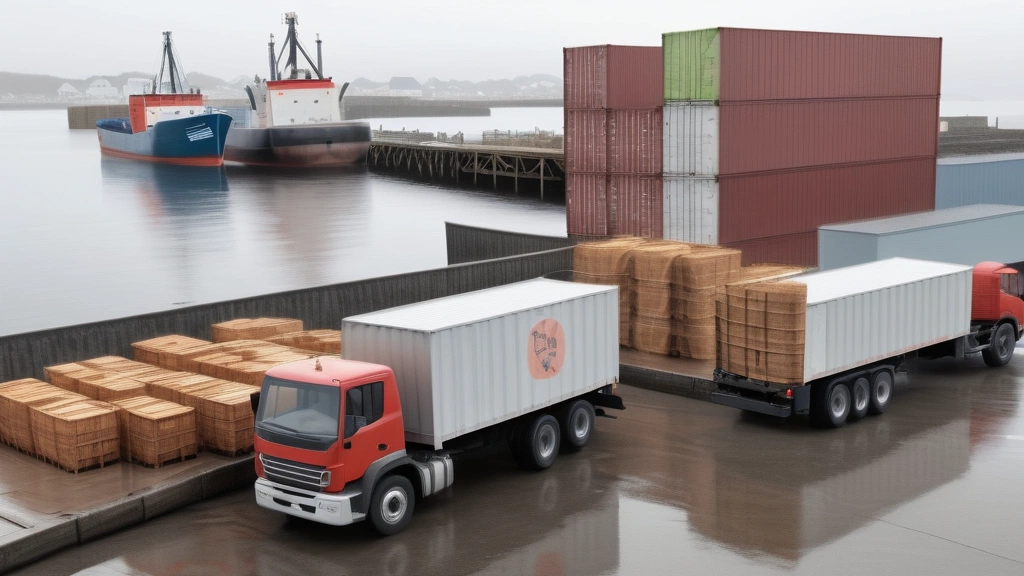
Prime Minister Mark Carney and Chinese President Xi Jinping met in China last week to announce the tariff suspensions, which apply to pork and several seafood products, including cold-water shrimp, whelk, sea cucumber, and Greenland halibut. According to the Prime Minister's Office, the deal covers $400 million in Canadian exports, with $285 million specifically in seafood. In exchange for the suspension, Canada will expand and extend tariff exemptions on certain Chinese steel and aluminum products.
The announcement follows a 25 per cent tariff imposed in March 2025 that halted Chinese sales for Nova Scotia whelk and sea cucumber exporters. The impact on local businesses was immediate. Allan MacLean of Louisbourg Seafoods reported that his business used to send 90 per cent of its whelk and sea cucumber to China before the tariffs took effect. Jim Zhang, director of Right Source Group Ltd., reported that sales dropped by 40 to 50 per cent last year due to the tariffs. During the period when the Chinese market was shut down, some whelk was left in the water because it could not be sold, and expansion plans for production were stopped.
To adapt, exporters diversified into other Asian markets like Japan and South Korea. Louisbourg Seafoods built ties with buyers in South Korea who wanted Canadian whelk while the Chinese tariffs were active. China had previously suspended its 25 per cent tariff on lobster and crab in March and extended that pause until 2028 earlier this month.

With the new agreement in place, businesses plan to increase volume and rebuild relationships with Chinese buyers while maintaining the new clients they secured during the disruption.