Nepal Seeks $20 Million in Climate Compensation After Devastating Floods
Following catastrophic floods that killed or left missing more than 6,800 people, Nepal has formally requested $20 million from the UN's loss and damage fund. Foreign Minister Shisir Khanal attributed the disaster to a glacier collapse exacerbated by climate change, highlighting the disproportionate impact on the Himalayas despite Nepal's minimal contribution to global emissions.
Nepal is requesting $20 million in climate compensation from the United Nations' loss and damage fund following devastating floods in late August. The disaster resulted in the death or disappearance of more than 6,800 people, with over 1,300 confirmed dead and more than 5,500 still missing after 12 days of rescue operations.
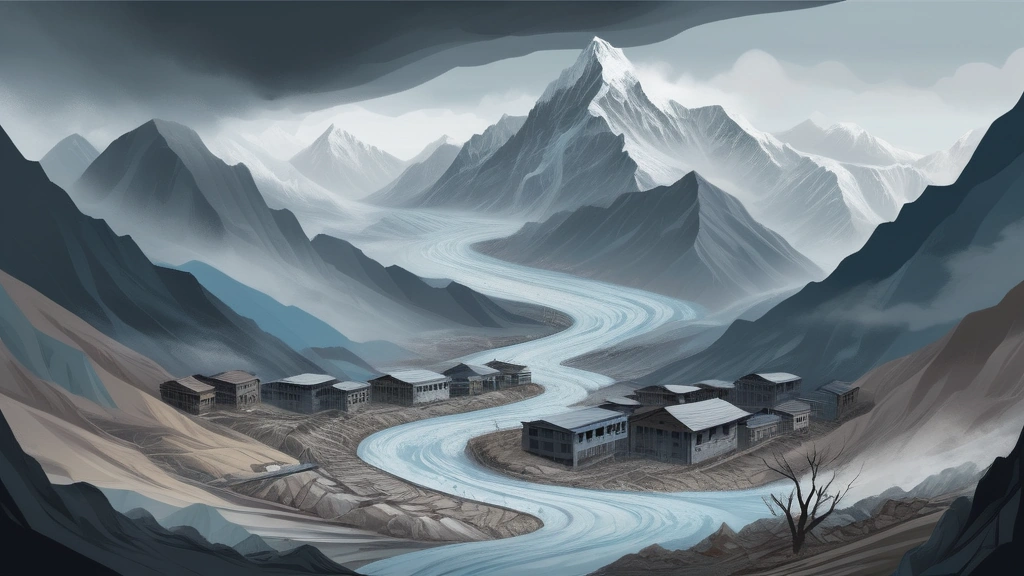
The floods were triggered when a melting glacier partially collapsed, causing a landslide and flash flooding through Chinese-controlled Tibet and Nepal. Foreign Minister Shisir Khanal described the flood waves as reaching heights of 60 to 70 feet and moving at speeds of almost 180 kilometers per hour. He attributed the disaster to a melting glacier collapse exacerbated by climate change, noting that the mountains of the Himalayas have been warming at a rate nearly 50% faster than the global average.
Khanal emphasized shared responsibility among major polluters like India and China, while acknowledging political challenges in securing funds. Nepal contributes less than 0.1% of global greenhouse gas emissions, whereas its neighbors are among the world's biggest emitters. In 2023, the UN reported that Nepal’s mountains had lost close to a third of their ice in just over 30 years due to global heating.

Initial estimates place total damages at upwards of $5 billion, though the figure could be higher. Upwards of 20,000 homes will probably have to be rebuilt, along with the main highway. Towns, villages, and highways were completely wiped out, and some areas remain disconnected. Villages built in vulnerable areas may need relocation to higher ground. The magnitude of the disaster has been compared to the 2015 earthquake.
Nepal’s ministry of finance and ministry of environment wrote a joint letter to the UN’s fund for responding to loss and damage to request the $20 million. However, the fund faces a significant financing gap. It has received requests totalling $2.8 billion from about 119 countries but has only received around $400 million from the international community. The US has contributed just $17 million to the fund after Donald Trump withdrew from the Paris agreement.
Regarding allegations that China failed to give adequate warning or share data, Khanal rebuffed these claims, stating that neither side knew the specific collapse was imminent.