Toronto Doctors Develop New Two-Part Robotic Technique for Atrial Fibrillation
Doctors at St. Michael’s Hospital in Toronto have introduced a Canadian-first two-part robotic procedure to treat atrial fibrillation, combining external robotic surgery with internal catheter ablation to potentially achieve long-term success rates of 70 to 80 per cent.
Doctors at St. Michael’s Hospital in Toronto have developed a new approach to treating atrial fibrillation (AFib), a heart rhythm condition that affects one to two per cent of the general population and can lead to severe consequences such as stroke or heart failure.
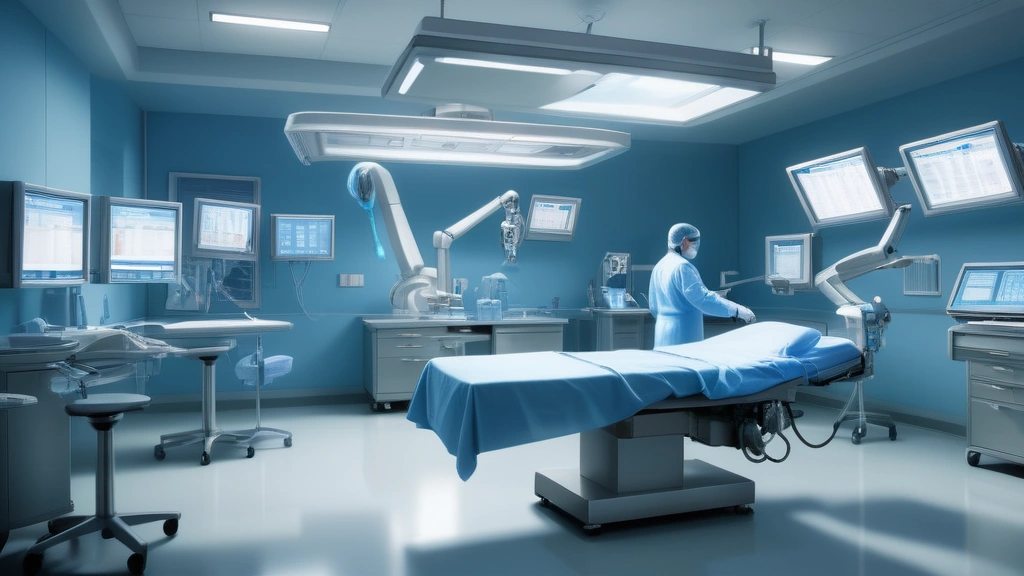
The treatment is described as a Canadian first. It involves a two-part robotic technique that uses minimally invasive robotic surgery to create scars on the outside of the heart, followed by an internal catheter ablation procedure. Dr. Paul Angaran, the cardiac arrhythmia director at St. Michael’s Hospital, and Dr. Gianluigi Bisleri, the hospital's director of minimally invasive and robotic cardiac surgery, developed the approach.
Patients must wait a few weeks or months between the external robotic procedure and the internal catheter procedure to allow the external scars to heal. The method aims to improve outcomes for patients with long-standing persistent AFib, offering a potential alternative to medication or standard catheter ablation for complex cases. In these patients, the long-term success rate through this new approach could reach 70 to 80 per cent.
Jon Davies of Edmonton was one of the first patients to undergo the new procedure, having the robotic part performed in September.
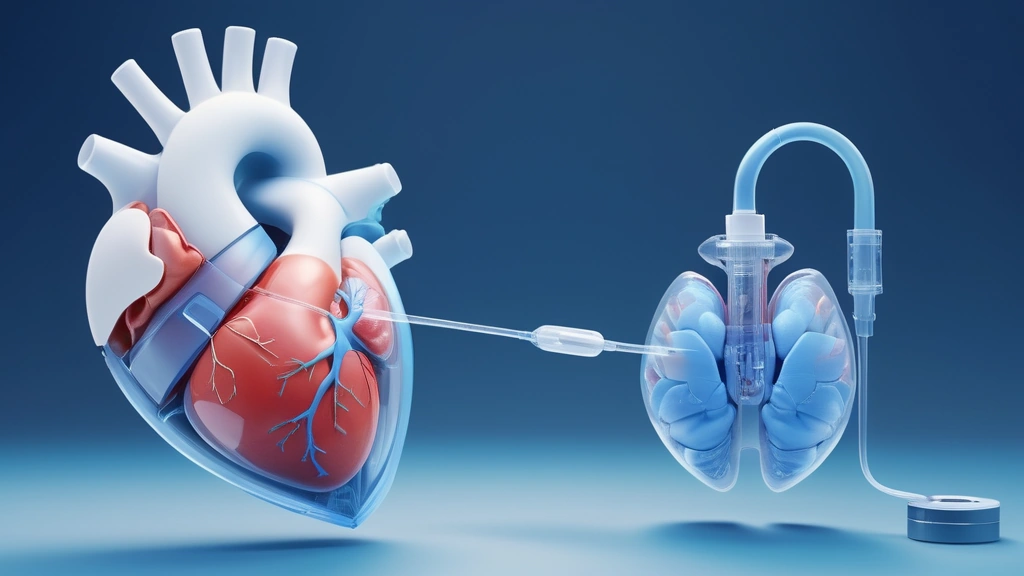
The technique could revolutionize AFib treatment for patients who previously had limited options. Moving forward, the approach requires patient referral and awareness building among medical professionals.