Niagara Flood Victims Denied Provincial Disaster Aid as Insurance Claims Stall
Ontario's housing minister says Niagara residents affected by summer storms do not qualify for provincial disaster relief because the damage was caused by sewer backups. Meanwhile, a local survey shows most victims remain in insurance limbo and are experiencing severe psychological distress.
Back-to-back storms overnight on July 27 and July 28, followed by another storm on Aug. 2, dumped a month's worth of water in a few hours across north Niagara. The deluge overwhelmed sanitary sewer systems in St. Catharines, Lincoln, parts of Niagara-on-the-Lake, and Niagara Falls, flooding thousands of homes with sewage-tainted water. Catastrophe Indices and Quantification Inc. estimated the flooding in Niagara caused $360 million in damage.
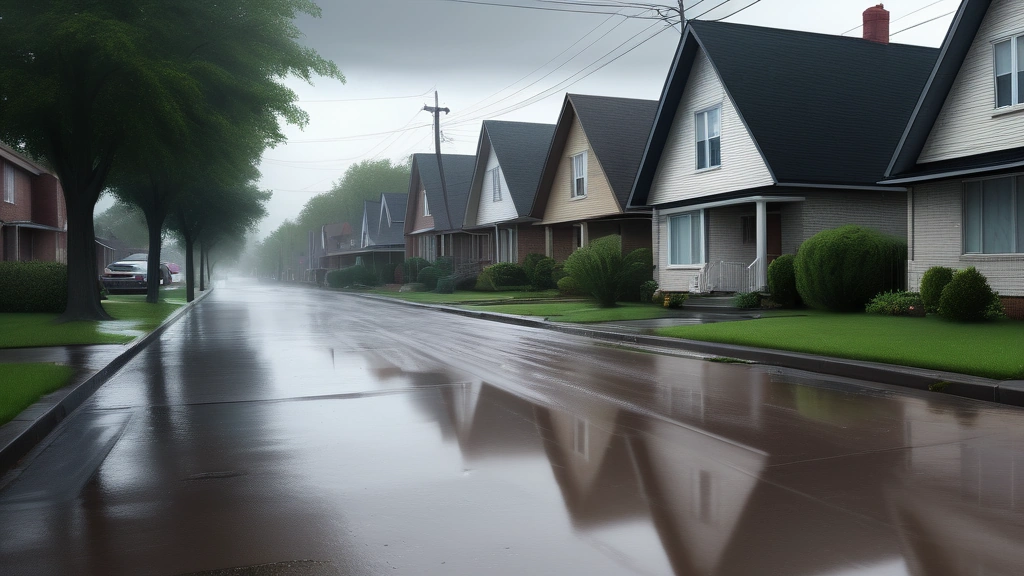
Despite the scale of the destruction, Ontario Municipal Affairs and Housing Minister Rob Flack stated that the Disaster Recovery Assistance for Ontarians (DRAO) program was not activated for Niagara flooding victims. Flack said residents do not qualify because the damage was classified as sewer backups rather than overland water. The DRAO program offers a maximum payout of $250,000.
St. Catharines MPP Jennie Stevens challenged this decision at Queen's Park, noting that 92 days had elapsed without relief for affected residents. Stevens argued that an Environment and Climate Change Canada meteorologist confirmed the July storm resulted in flash flooding. She also cited statements from the City of St. Catharines attributing the flooding to the storm rather than infrastructure issues, arguing residents should qualify for provincial disaster relief.
The financial fallout continues to burden homeowners. A survey conducted by the online group Northend Neighbours of nearly 450 homeowners found that more than 60 per cent of those flooded are still in limbo with their insurance claims three months after the event. Only 36.6 per cent of respondents had their insurance claim fully approved, while 70 per cent of those flooded described the damage as severe or catastrophic. The delays have placed significant financial strain on seniors and vulnerable families facing repair bills and the risk of losing their homes.
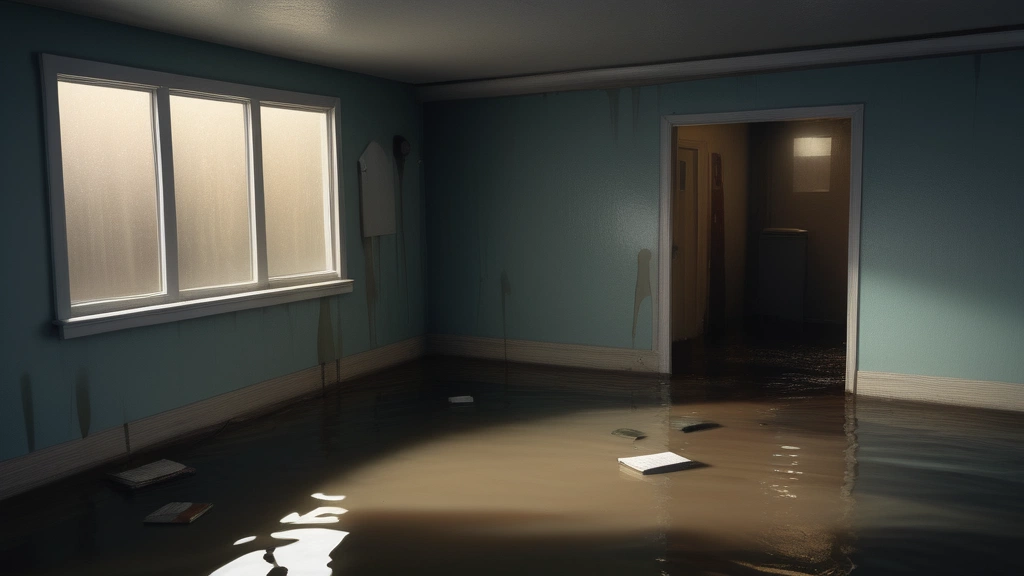
The prolonged uncertainty has taken a heavy psychological toll. Survey respondents reported feeling overwhelmed, anxious, traumatized, helpless, and depressed. One person wrote "suicidal" regarding the impact of the flooding and insurance uncertainty.
The Niagara storms contributed to one of the worst summers on record for insured natural disaster losses in Canada. The Insurance Bureau of Canada reported that total insured losses from natural disasters nationwide over the summer were estimated at $3.7 billion, making it the third costliest summer in history for severe weather losses. Over the last decade, insured losses from extreme weather in Canada have averaged more than $3.7 billion annually, up from $1.4 billion in the previous decade.