EverWind Fuels Proposes $8 Billion Data Centre in Nova Scotia for Anthropic, Bypassing Environmental Assessment
EverWind Fuels has announced an $8 billion hyperscale data centre project in Point Tupper, Nova Scotia, to be leased to U.S. AI company Anthropic for 20 years. The provincial environment department confirmed no environmental assessment is required, drawing criticism over the project's massive energy and water demands.
EverWind Fuels has announced plans for an $8 billion hyperscale data centre complex in Point Tupper, Nova Scotia. The facility will be leased to U.S. artificial intelligence company Anthropic for 20 years to power its AI model, Claude. 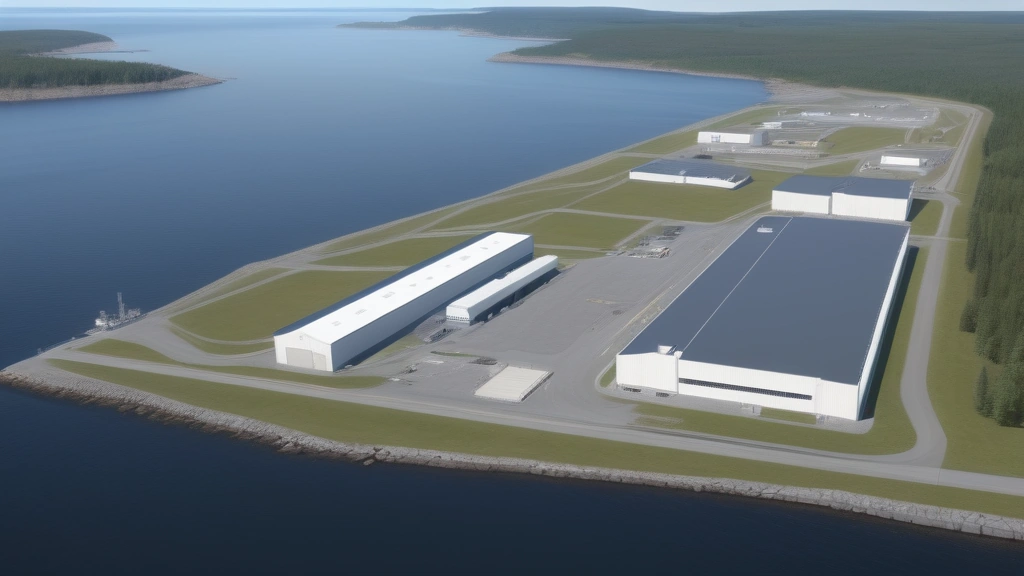
Nova Scotia Environment and Climate Change (NSECC) confirmed that the project does not require an environmental assessment approval. EverWind will, however, need to obtain an industrial approval for a diesel generating station intended to help power the data centre.
The first phase of the project is expected to draw 95 megawatts from the grid and come online in late 2027. A second phase involving a 325-megawatt expansion is planned for 2028. This expansion would be powered by four wind projects: Bear Lake, Kmtnuk, Upper Afton, and Windy Ridge.
Membertou First Nation Chief Terrance Paul clarified the community's role, stating that while Membertou owns the proposed wind farms, it is not partnered on the data centre project itself. This followed initial reports that had suggested a broader partnership.
The announcement represents a significant shift for EverWind. The company originally purchased the Nustar fossil fuel terminal in Point Tupper in 2022 for $60 million with plans to produce green hydrogen and ammonia. Those plans have faced delays and financing challenges. Premier Tim Houston stated in June 2026 that data centres were "far in the future," but changed his stance three months later ahead of the launch event, which he and other officials attended to emphasize private investment without naming specific investors.

Critics have raised concerns about the regulatory process and the project's resource demands. Chris Benjamin of the Ecology Action Centre described the project as "terrifying" and noted that the $8 billion cost equates to $46.5 million per job based on 215 projected jobs. Critics also point to the lack of public involvement and potential noise pollution, as well as the significant water resources the project will require from the Landrie Lake Water Utility.