Nova Scotia's New Traffic Safety Act Takes Effect Oct. 19, Replacing Century-Old Rules
Nova Scotia is implementing its new Traffic Safety Act on Oct. 19, replacing the Motor Vehicle Act from the 1920s. The regulations introduce double fines for harming vulnerable road users, stricter distracted driving laws, updated child car seat requirements, and new rules for e-bikes.
Nova Scotia has released the first set of regulations under its new Traffic Safety Act, which takes effect on Oct. 19 and replaces the Motor Vehicle Act written in the 1920s.
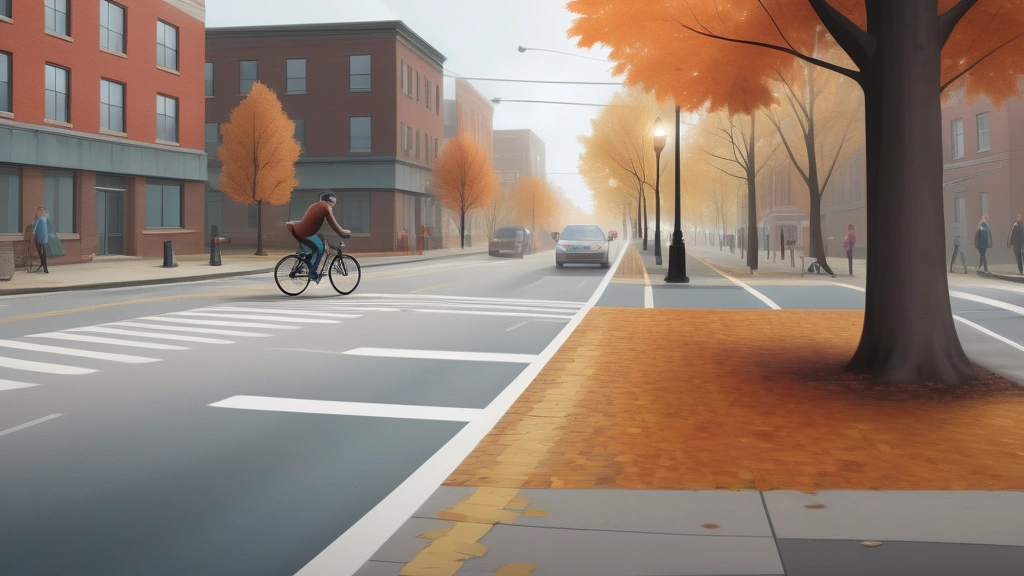
A central feature of the new rules is the legal definition of "vulnerable road users," which includes pedestrians, cyclists, farm vehicle drivers, motorcyclists, peace officers, emergency workers, and tow-truck drivers. Drivers who injure or kill a vulnerable road user could receive double the regular fine for certain infractions such as careless driving or speeding. Additionally, failing to yield to pedestrians now carries a maximum fine of $2,000, up from the previous minimum of $687.41.
The act expands distracted driving rules to cover devices such as tablets and global positioning systems, closing previous loopholes. It also explicitly requires drivers to clean snow and ice off their vehicles before driving. To address "dooring" incidents, it is now an offence for a motorist to open a door into the path of cyclists or other vehicles.
New standards apply to electric bicycles. E-bike riders must be at least 14 years old, and officials can impound e-bikes and e-scooters traveling faster than the 32-kilometre-per-hour speed limit.
Child car seat laws have been updated to mandate that children remain in a rear-facing car seat until at least age two and in a harnessed forward-facing seat until at least age four. Nova Scotia becomes the first province or territory in Canada to enshrine these age-based minimums for children's car seats in law.
Under the new act, municipalities are granted the ability to lower speed limits on municipal roads to less than 50 kilometres per hour. However, automated traffic cameras are not allowed; further study and consultation are required before implementation.