Nova Scotia apple growers target Asian markets to reduce U.S. reliance
Amid Canada-U.S. trade tensions, the Nova Scotia Fruit Growers' Association is expanding exports to Taiwan and Thailand, backed by $300,000 in federal funding, to diversify away from the United States, which currently accounts for 90 per cent of the province's apple exports.
Nova Scotia apple growers are working to diversify their export destinations as Canada-U.S. trade tensions persist. The United States currently accounts for 90 per cent of the province's apple exports, with shipments exceeding $28 million last year.
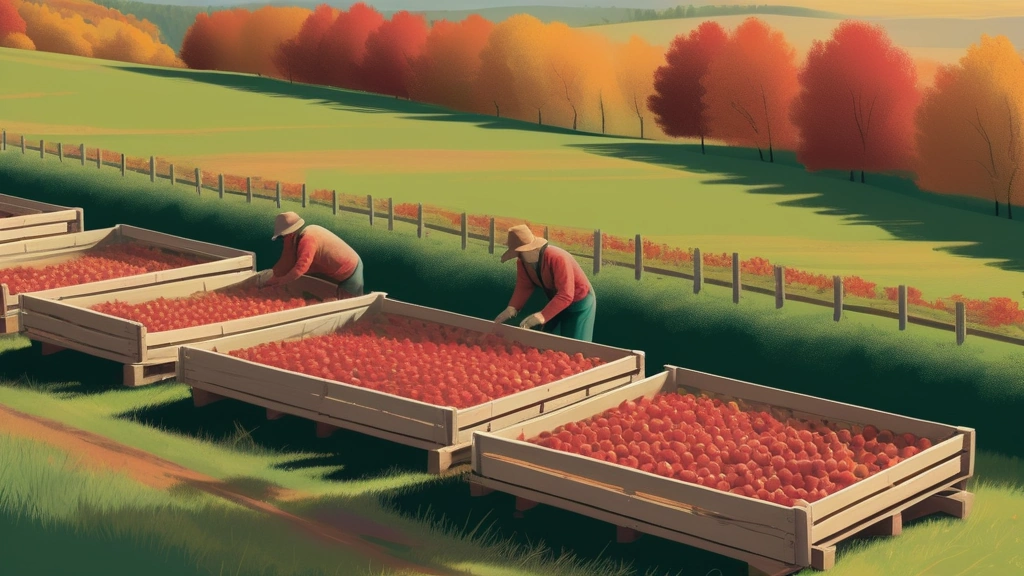
The Nova Scotia Fruit Growers' Association, led by executive director Emily Lutz, is taking steps to ship this season's apple harvest to Taiwan. Growers are also targeting entry into the Thailand market next year. These efforts aim to provide a stronger position for producers in case of future trade disruptions.
Vietnam has already emerged as the second-largest market for Nova Scotia apples, importing nearly $750,000 worth of fruit last year. The province benefits from an opposite harvest season compared to Southern Hemisphere producers in Australia and New Zealand, creating opportunities in Southeast Asia.
To support these market development efforts, the association secured $300,000 from the federal Agrimarketing program. The federal government launched the program in February, providing $75 million over five years to agriculture businesses nationwide.
Michael Van Meekeren, vice-president of Van Meekeren Farms Ltd. in Lakeville, N.S., is among those involved in the industry's push toward new markets. Access to these markets is viewed as an exciting opportunity for growers, even though it is not a record crop year.
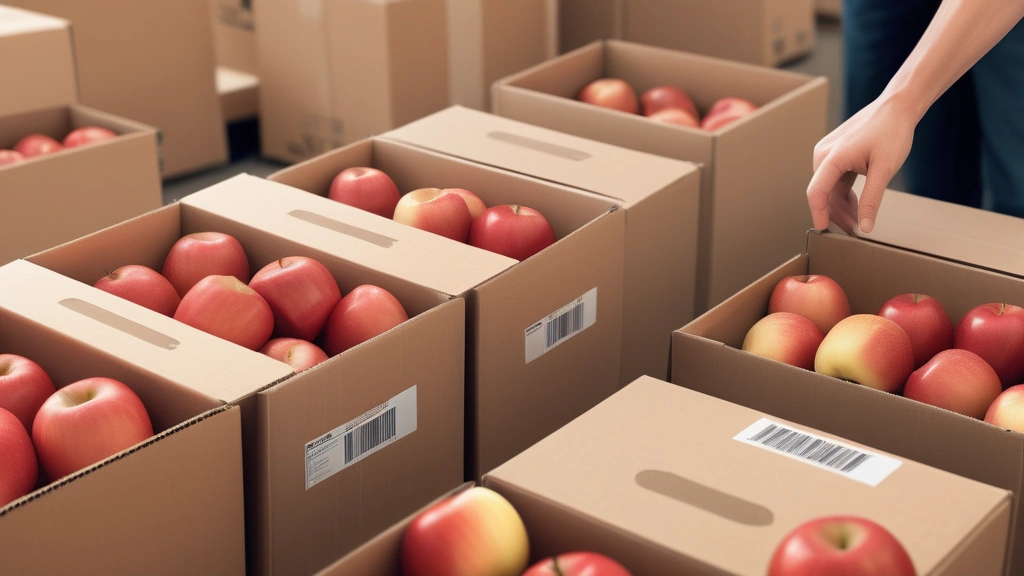
Growers plan to prioritize exporting varieties such as Honeycrisp and Ambrosia due to their strong global competitive edge. Expanding international shipments will not strain local supply, given the Atlantic region's small population and abundant resources.