Nova Scotia Auditor General Finds Road Paving Decisions Lack Objective Data
A report by Nova Scotia's Auditor General criticizes the Department of Public Works for using informal, subjective processes to select road paving projects despite spending nearly $850 million over five years. The department has accepted all nine recommendations from the audit.
A report released on October 20, 2026, by Nova Scotia's Auditor General, Kim Adair, found that the province's road paving decisions are not backed by objective data. Over the past five years, the Department of Public Works spent almost $850 million on paving roads across Nova Scotia.
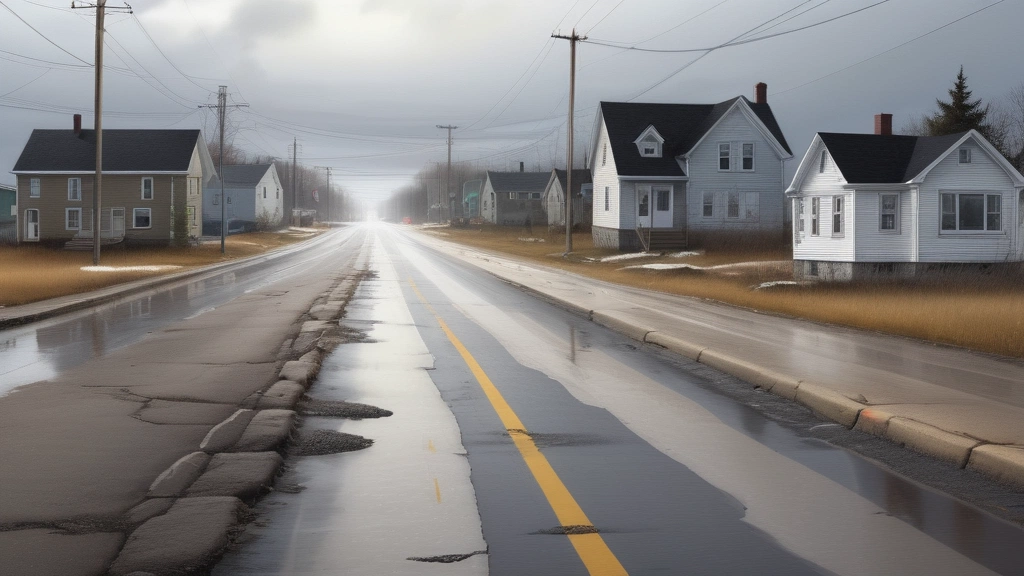
Adair stated that project selection is very informal and subjective, lacking consistent criteria for ranking priorities. During the two-year audit period, a provincial contact centre received 63,000 road-related calls. At the time of the 2025 audit, the department was working off a list for 100-series highways dating back to 2019.
The report highlights that the province uses a "worst first approach" to paving, addressing roads only when they are already in poor condition. According to the audit, every dollar invested in preservation before roads hit 15 years of age could avoid between $6 and $14 in future costs. The lack of consistent data usage prevents effective prioritization of road repairs, and failure to use preventative maintenance leads to more expensive repairs later. As a result, drivers may not be getting value for money due to inefficient paving decisions, and more kilometres of road could have been paved if decisions had been made differently.

The Department of Public Works has accepted all nine recommendations from the Auditor General's report, which include establishing consistent criteria and improving data collection. Implementation of the recommendations is planned to begin in the spring.