Wet Fields and Soaring Diesel Prices Squeeze Nova Scotia Hay Farmers
Nova Scotia farmers are struggling to harvest hay in October 2026 as waterlogged fields block machinery access and diesel costs have nearly doubled. Following a severe 2025 drought, producers report shrinking livestock herds and eroding margins, while the provincial government points to existing recovery programs rather than new hay-purchasing support.
Nova Scotia farmers are facing a difficult autumn in October 2026, contending with saturated fields that prevent tractor access and diesel prices that have sharply increased operating costs. The challenges follow a severe drought in 2025 that already forced many producers to reduce their herds.
Crystal Joyce Manning, co-owner of Evangeline Trail Rides in Stanley, N.S., said wet conditions and high fuel prices are making it difficult to harvest hay. Her hay barn currently holds around 200 round bales, filling almost one-third of the space, whereas it is usually full by this time of year. Manning requires 1,200 round bales annually to feed her animals. 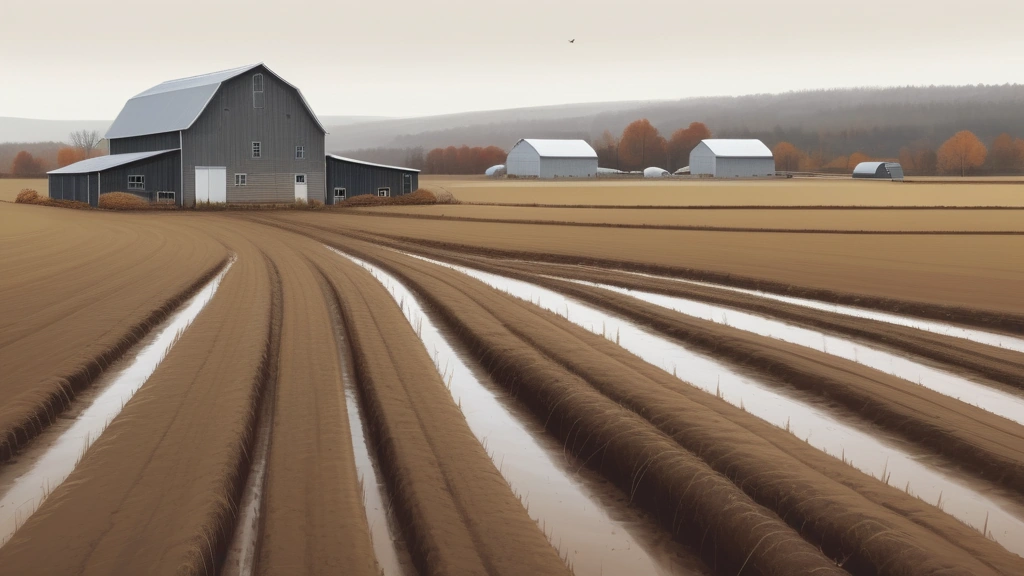
Fuel expenses have risen significantly for Manning’s operation. The cost to fill up her three tractors has climbed from $700 to $800 a year ago to $1,300 today. In response to last year's drought and current costs, Manning downsized her farm from 60 horses and 100 cows to 22 horses and around 40 feeder cows.
In Cape Breton, farmer Ken Oakes experienced delays after near-constant rain in July pushed his hay operation back until late October. Oakes sells hay at $6 per square bale but reports losing money when factoring in high fuel prices.
Shane Wood, a forage specialist for Perennia Food and Agriculture, stated that overall growing conditions in 2026 are much better than in 2025. He noted that hay prices are lower than last year but remain historically average. 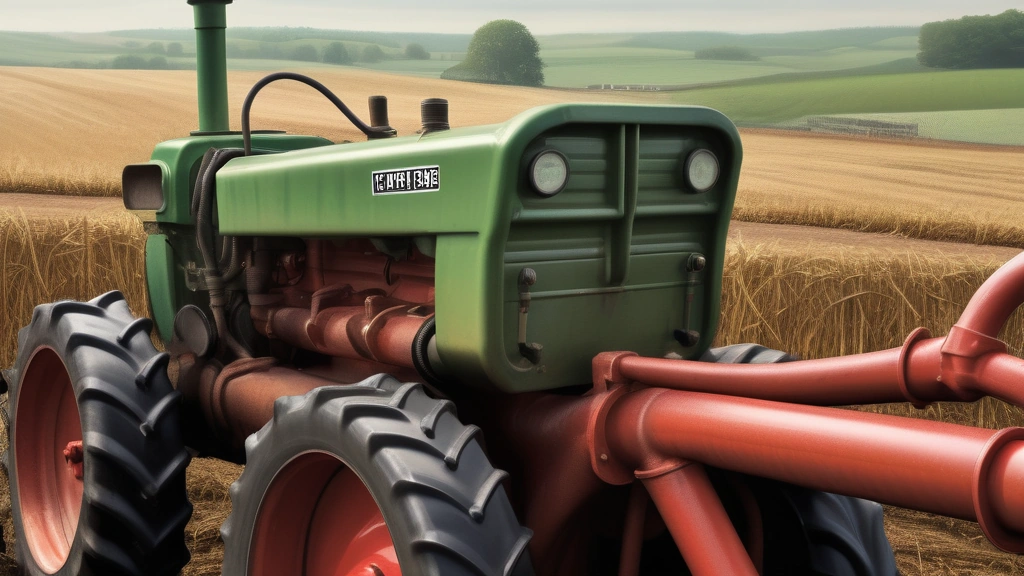
The provincial Department of Agriculture confirmed that higher diesel prices have made harvesting more expensive. However, the department noted there is no current specific support program for purchasing hay. Eligible producers can receive support for extraordinary costs incurred between July 1, 2025, and June 15, 2026, through the 2025 Canada-Nova Scotia Drought Recovery Initiative.