Nova Scotia Delays First Offshore Wind Bidding Round for Indigenous Consultations
The Canada-Nova Scotia Offshore Energy Regulator has postponed its inaugural call for bids for offshore wind seabed licences to conduct further consultations with Indigenous groups. Eight companies have prequalified for the process, which is part of a plan to license five gigawatts of offshore wind by 2030.
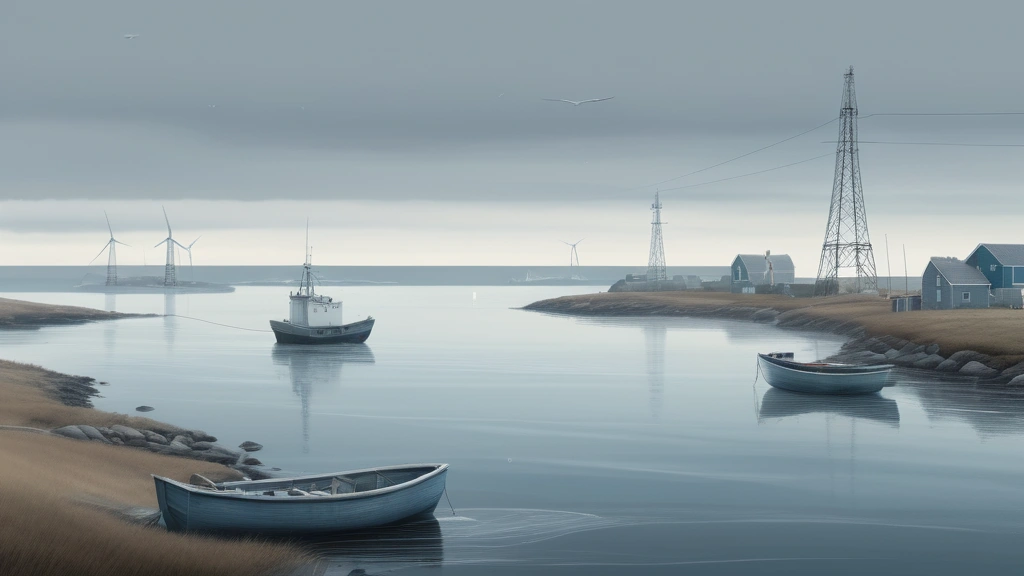
The Canada-Nova Scotia Offshore Energy Regulator (CNSOER) has paused plans for its inaugural call for bids for offshore wind seabed licences in Nova Scotia. The delay was requested by both the federal and provincial governments to fulfill the Crown's duty to consult under the Accord Acts.
Colleen Fiske, a spokesperson for the regulator, stated that the consultation process will continue throughout the fall and the timing of the bid call remains unknown. Consultations will focus on potential locations within three designated wind energy areas: Sydney Bight, French Bank, and Middle Bank. Groups contacted for consultation include all Mi’kmaw First Nations in Nova Scotia, as well as First Nations in New Brunswick, P.E.I., Newfoundland and Labrador, and Quebec. Potential adverse effects on established Aboriginal and treaty rights are being assessed during this process.
Eight companies have qualified to participate in the planned call for bids. The prequalified participants include Hanwha Ocean, Q Energy France, Renewable Energy Systems Holdings, Simply Blue Energy, DP Energy Canada, Enterprize Energy Atlantic, Nova East Wind, SBM Renewables, DEME Concessions Wind N.V., Jan De Nul, Northland Power, and Ming Yang Smart Energy Group.
The bidding process is part of Nova Scotia Premier Tim Houston's "Wind West" project, which aims to license five gigawatts of offshore wind by 2030. The initiative presents an opportunity to supply domestic demand and export power to other provinces and the United States. The initial phase of the Wind West project is estimated to cost about $60 billion for turbine infrastructure and new transmission lines.
Earlier this month, Federal Energy Minister Tim Hodgson announced a $100-million commitment to help attract private investment and reduce risks for developers. The federal funding includes $5 million for deploying buoys to measure wind speeds and ocean conditions, and $3 million for Net Zero Atlantic to study electricity transmission.
Concerns have been raised regarding disruption or loss of fishing grounds, undersea cable routes, navigational risks, and higher operating costs for fishermen. The Maritime Fishermen’s Union, representing over 1,300 fish harvesters, has called for an independent assessment of risks to fishing communities before further public money is committed. Martin Mallet, executive director of the Maritime Fishermen’s Union, stated that the government cannot invest in the future of fishing businesses while putting their foundation at risk. Nancy Wadden, a fish harvester from Port Morien, argued that projects should not be approved if they cannot protect the fishery.
To address these concerns, the CNSOER has established a Fisheries Advisory Committee and led workshops to discuss coexistence between the fishing and offshore wind sectors.