Nova Scotia and Federal Government Announce $100 Million Partnership for Offshore Wind Development
A $100 million federal-provincial partnership announced on October 15 will fund research, data collection, and analysis to advance offshore wind development in Nova Scotia. The province aims to license up to five gigawatts of offshore wind energy by 2030, with consultations underway with Mi’kmaw groups regarding the placement of hundreds of turbines off the Atlantic coast.
On October 15, the Government of Nova Scotia and the Government of Canada announced a $100 million partnership to support research, data collection, and analysis for offshore wind development in the province. The initiative is intended to position Nova Scotia as a global clean energy leader within a $1-trillion global offshore wind market.
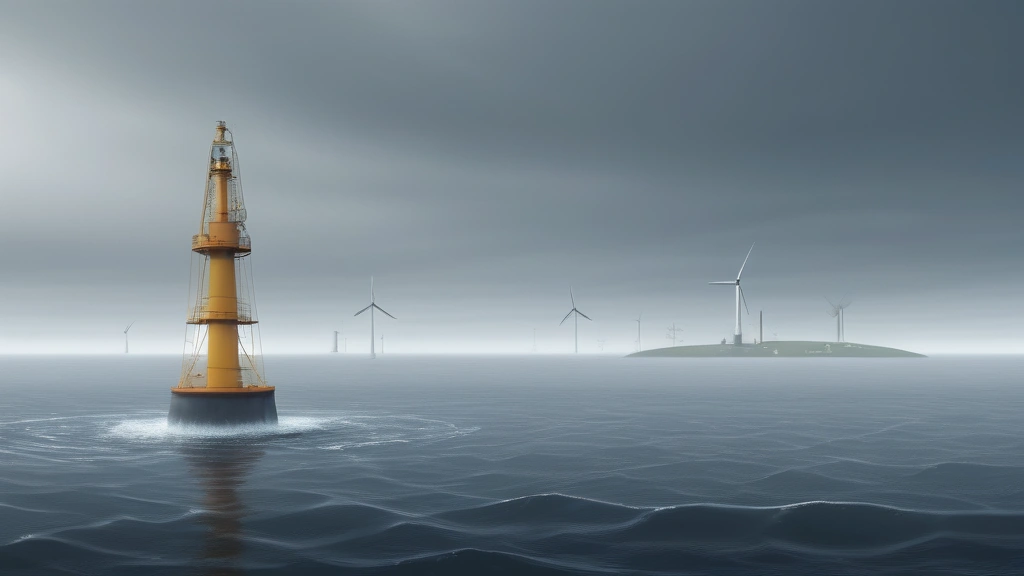
Of the total funding, $5 million from the federal government will support the deployment of floating light and detection ranging (FLiDAR) buoys. These buoys will collect meteorological and oceanographic data, including offshore wind, weather, and ocean conditions. This information is designed to strengthen resource assessments, reduce risk for investors, and support informed decision-making for governments, regulators, Indigenous communities, and industry.
Additionally, nearly $3 million is being provided to Net Zero Atlantic to expand modelling of offshore wind electricity transmission to markets beyond Nova Scotia. The first phase of offshore wind development in the province has the potential to attract $60 billion in private-sector investment.
Nova Scotia aims to license up to five gigawatts of offshore wind energy by 2030. The development is expected to create good-paying jobs across multiple sectors, including construction, marine services, ports, manufacturing, engineering, technology, and skilled trades, while transforming the province’s economy and strengthening communities.
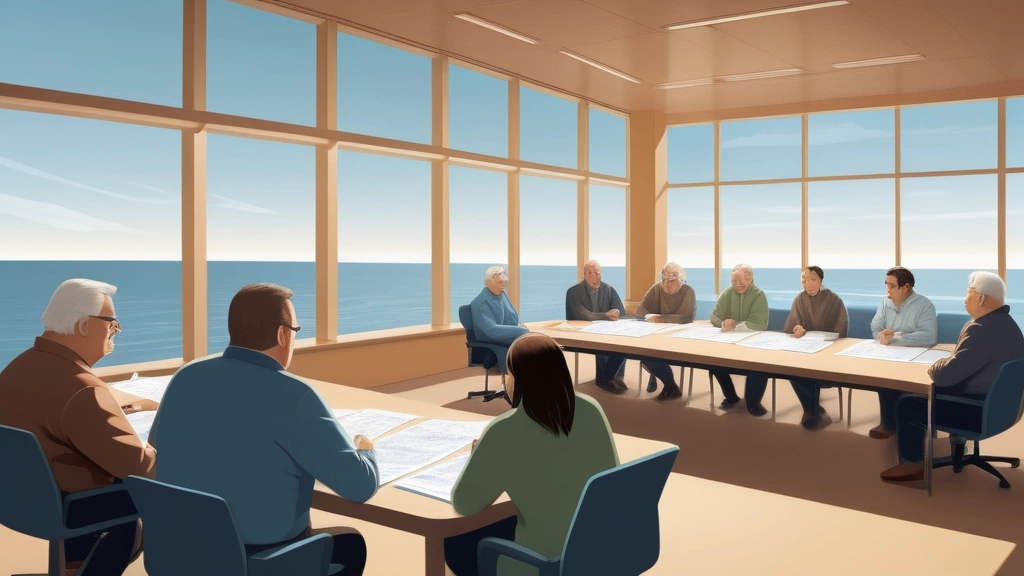
Concurrently, consultation with Mi’kmaw groups began earlier this month regarding the future location of hundreds of wind turbines off the Atlantic coast of Nova Scotia. These discussions are part of the planning process for projects such as 'Wind West,' which involves areas stretching from Sydney to Yarmouth.