Nova Scotia Premier Open to Agreement with EverWind on AI Data Centre Project
Premier Tim Houston says he is willing to negotiate a memorandum of understanding or binding agreement with EverWind Fuels regarding its proposed AI data centre in Cape Breton, though he maintains existing regulations are sufficient. NDP Leader Claudia Chender argues formal written commitments are necessary before the multi-billion-dollar project proceeds.
Nova Scotia Premier Tim Houston said he would consider signing a memorandum of understanding (MOU) with EverWind Fuels if necessary, while maintaining that current regulations are enough to oversee the company’s proposed AI data centre project in Cape Breton.
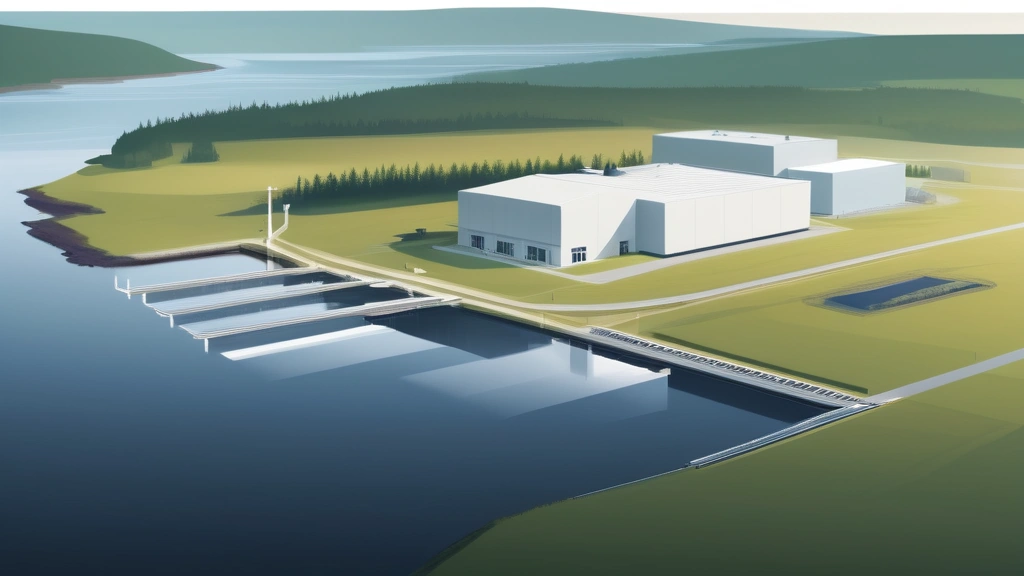
Houston stated he is willing to negotiate a binding agreement covering water usage and protection for power rates with EverWind, although it remains unclear whether such an arrangement is imminent. The proposal follows comments by EverWind chief financial officer Matthew Tinari, who raised the idea of an agreement during Tuesday’s natural resources committee meeting.
The multi-billion-dollar proposal involves building an AI data centre campus in Point Tupper, N.S., in Cape Breton. U.S.-based artificial intelligence company Anthropic plans to lease the facility for 20 years. Officials with both EverWind and Anthropic have pledged to cover all costs related to any necessary upgrades to the power grid. EverWind’s water usage would be governed by an existing agreement with the Landrie Lake Water Utility, which the Richmond County Warden says demonstrates sufficient supply.
NDP Leader Claudia Chender criticized the government's reluctance to formalize commitments, arguing that the province should have something in writing before development proceeds. She warned that the introduction of a new industry to the province without a written agreement increases public suspicion, citing concerns over water usage, power rates, and environmental management.

Houston resisted calls for dedicated legislation to govern the project. He pointed to federal and provincial guidelines, approvals from the Department of Environment and Climate Change, and the Environment Act as sufficient regulatory frameworks. However, he indicated a willingness to discuss new laws if current measures prove insufficient.