Nova Scotia Auditor General Finds Major Weaknesses in Wind Project Environmental Assessments
A November 2026 audit by Nova Scotia Auditor General Kim Adair found that government employees felt pressured to soften scientific advice on wind energy projects, identified risks were omitted from final approvals, and compliance monitoring relied heavily on self-reporting. The Environment Department agreed to implement all 13 recommendations.
Nova Scotia Auditor General Kim Adair released an audit on November 17, 2026, examining the environmental assessment process for onshore wind energy projects managed by the Department of Environment and Climate Change. The report identified significant weaknesses in how projects are reviewed, approved, and monitored.
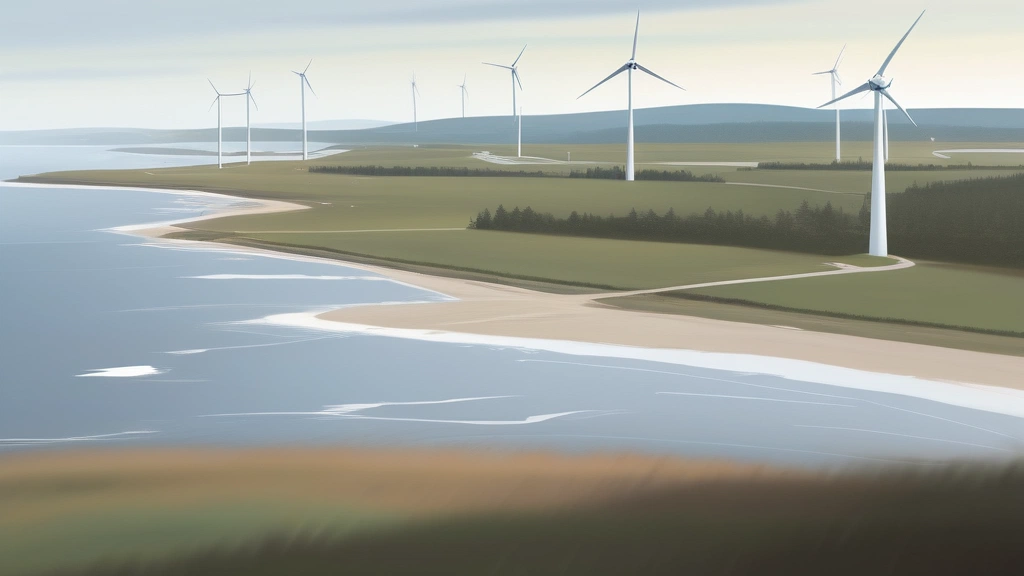
As of 2025, more than 300 commercial wind turbines in Nova Scotia generated about 17 per cent of the province's total electricity production. To assess how these projects are regulated, the auditor general's office sent a survey to 136 government employees working on environmental assessments. It received 38 responses from staff who had worked on onshore wind projects since 2023.
Survey respondents reported feeling "muzzled," being "directed" not to suggest terms and conditions, or being pressured to "alter or soften" their comments regarding environmental assessments. The audit also found that risks identified by government reviewers—such as threats to endangered wood turtles, lichen habitats, and increased wildfire risk—were not addressed in the final project approvals.
The review examined 55 terms and conditions attached to nine approved projects between January 2023 and August 2025. Only around 33 per cent of those conditions were entered into the department's monitoring system for follow-up. The department relied heavily on project owners to self-report compliance, with little verification from the province. This led to instances where conditions were marked complete despite testing showing they were not met.

Concerns raised in the 2026 audit echoed findings from a 2017 report. While those earlier issues were addressed by 2020, the new audit indicates the province has backtracked or regressed on five of the seven previous recommendations.
Minister of Environment Tim Halman did not immediately respond to requests for comment from CBC, Global News, and CTV. He issued a statement thanking the auditor general and asserting that decisions were made with rigour and grounded in science.
The auditor general made 13 recommendations to improve the environmental assessment process and compliance monitoring. The provincial Environment Department agreed to implement all of them.