Canada Pledges $100 Million to Nova Scotia Offshore Wind Project Amid Data Gaps
Federal Energy Minister Tim Hodgson announced a $100-million commitment to Nova Scotia's Wind West offshore energy project, including $5 million for FLiDAR buoys to address significant gaps in wind and ocean data. Experts note that claims of 'world class' winds currently lack hard evidence.
On Oct. 15, 2026, Federal Energy and Natural Resources Minister Tim Hodgson announced a $100-million commitment to Nova Scotia's Wind West offshore energy project. Of that total, $5 million was immediately allocated to deploy floating light detection and ranging (FLiDAR)-mounted buoys designed to measure offshore wind and ocean conditions.
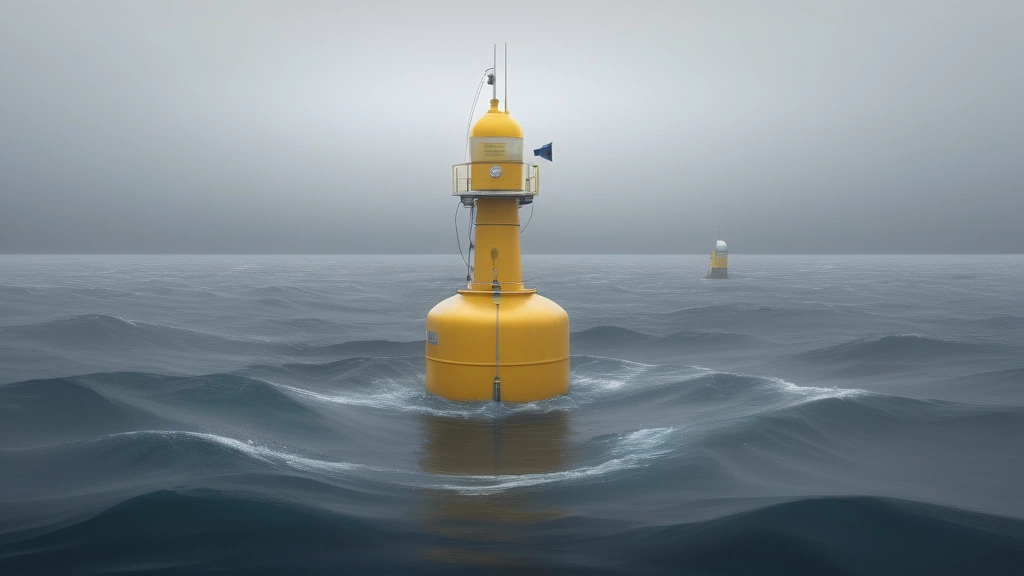
The funding aims to address significant data gaps identified by experts and government assessments. According to the U.S. National Oceanic and Atmospheric Administration (NOAA), only seven monitoring buoys are currently moored off Nova Scotia, and none are located in areas designated for future offshore wind development. A 2024 report by a committee assessing offshore wind prospects in the province described the sector as a "nascent industry in a largely data poor environment" with many data gaps needing attention.
Larry Hughes, a research fellow at Dalhousie University, stated that other than anecdotal claims, there is little known about the actual wind resource due to insufficient data. This scrutiny challenges assertions that Nova Scotia's offshore winds are "world class."
Nova Scotia Premier Tim Houston originally unveiled plans for the Wind West project in 2022, announcing intentions to open offshore wind development seabed leases to competitive bids in 2025. The project targets five gigawatts of generating capacity by 2030. Houston has also asserted that the province's offshore wind resource could represent up to 66 gigawatts of capacity, which he said would be enough to meet more than one quarter of Canada’s electricity requirements.
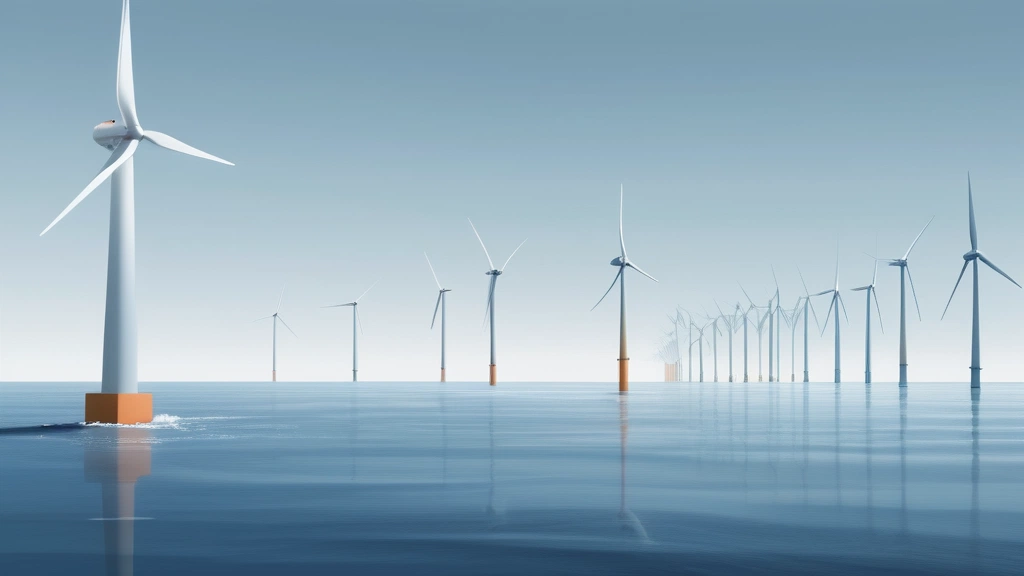
Critics argue that basic data collection has begun four years late, threatening the viability proof of the Wind West project. The lack of specific buoy data in proposed zones creates uncertainty for private investors and developers. The new federal funding is intended to bridge these data gaps to support the Canada-Nova Scotia Offshore Energy Regulator’s call for bids scheduled for winter 2027. The newly deployed buoys are expected to capture data over a duration of three to five years.