Rising Fuel Costs Squeeze Nova Scotia Volunteer Fire Departments
Volunteer fire departments across Nova Scotia are facing severe financial strain as diesel prices reach approximately $2.60 per litre and furnace oil costs rise by 40 percent, forcing chiefs to cut training, delay equipment purchases, and increase fundraising efforts.
Volunteer fire departments in Nova Scotia are grappling with mounting financial pressure as the cost of diesel fuel continues to climb. Diesel prices have reached approximately $2.60 per litre, adding significant expenses to already stretched budgets for departments that rely on diesel to run the majority of their trucks.
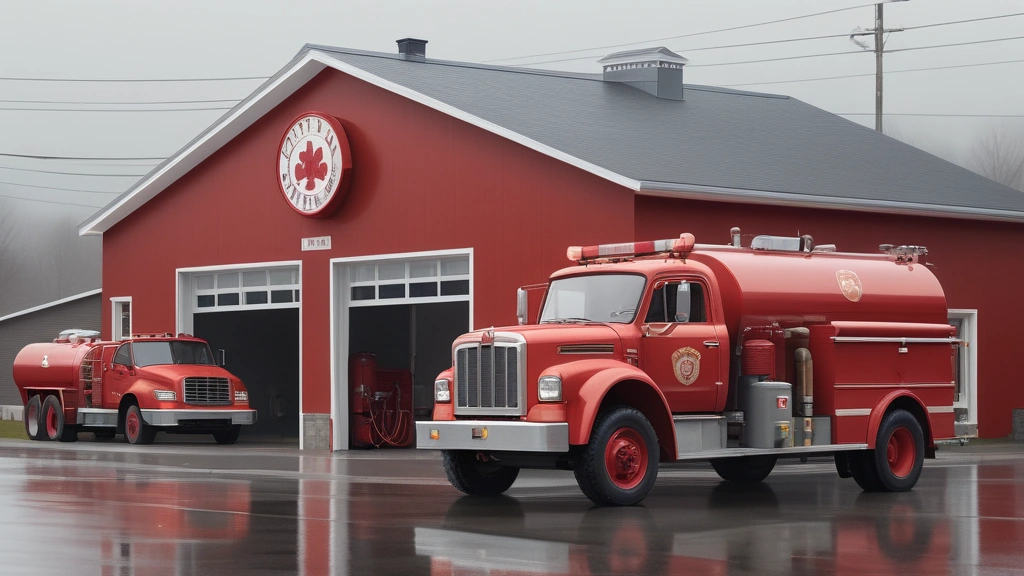
Rod Nielsen, chief of the Brookfield Volunteer Fire Department in southern Colchester County and president of the Fire Service Association of Nova Scotia, noted that all larger vehicles at his department are diesel-operated, along with some other vehicles. To manage the rising costs, departments may be forced to make difficult budget decisions, including reducing mutual aid training runs outside their districts or delaying the purchase of smaller-scale equipment like flashlights.
The federal government recently removed the excise tax on diesel, but this relief does not fully offset the price increases seen over the last year. Richard Heighton, chief of the Caribou Volunteer Fire Department in Pictou County, stated that diesel is twice as expensive as it was last year, effectively doubling his department's fuel budget. To help cover these expenses, the Caribou Volunteer Fire Department has turned to fundraising activities such as lobster suppers and yard sales.

Beyond diesel, heating costs are also surging. The price of furnace oil, which is used to heat the large garages at fire halls, has increased by approximately 40 percent. Many fire service buildings are not energy efficient, a factor that exacerbates the impact of rising heating oil costs on departmental finances.