Regular Rainfall Curbed Nova Scotia Wildfires in Late 2026, Though Annual Losses Exceeded 1,000 Hectares
Nova Scotia recorded 108 wildfires burning over 1,500 hectares from April to July 2026, driven largely by the Mooseland Road fire. Regular rainfall later in the season limited further damage, with only seven fires burning half a hectare from August to October. Total losses remained below 2025 levels but marked the fourth time in five years that annual wildfire losses exceeded 1,000 hectares.
Nova Scotia experienced a sharp decline in wildfire activity during the second half of the 2026 fire season after regular rainfall significantly reduced fire spread, though total losses for the year still surpassed 1,000 hectares.

According to the Department of Natural Resources (DNR), 108 fires burned more than 1,500 hectares between April and July 2026. The vast majority of that damage was caused by a single blaze: the Mooseland Road fire in the Halifax Regional Municipality (HRM), which burned almost 1,450 hectares in July 2026.
Conditions shifted markedly in the latter part of the year. From August to October 2026, only seven fires occurred across the province, burning a combined total of just half a hectare.
Terry White, director of fleet and forest protection for the DNR, noted that the department did not substantially increase its fire suppression budget for 2026 despite the larger blazes seen in 2025, as budgets are based on averages. However, the resources required to fight the Mooseland Road fire pushed the DNR slightly over its firefighting budget for the year.
The 2026 figures represent a decrease from 2025, when Nova Scotia lost 8,400 hectares to wildfires, largely due to the Long Lake and Lake George fires. By contrast, only 77 hectares burned in 2024, while 24,770 hectares were lost in 2023. Wildfire losses have now exceeded 1,000 hectares in four of the past five years, shifting what was once an exception into a recurring norm. Western Nova Scotia continues to be hit hard by fire losses due to abundant fuel sources.
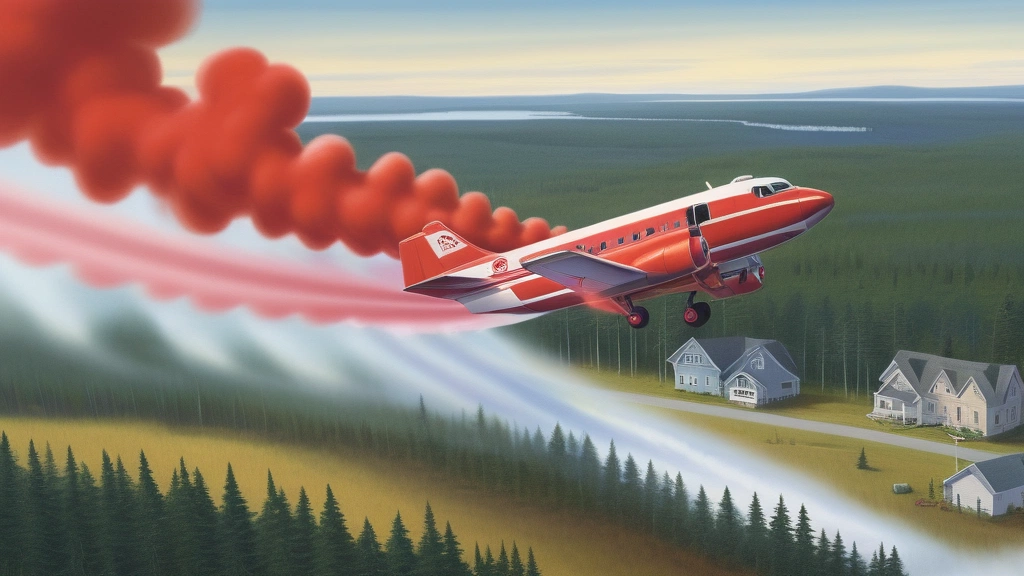
In 2026, the province contracted firefighting planes that drop fire retardant. Officials are currently investigating whether to contract water bombers instead for the 2027 fire season.