Nova Scotia Residents Turn to Propane and Heat Pumps as Heating Costs Surge
With home heating fuel prices in Nova Scotia rising approximately 40 per cent compared to last year, residents are increasingly seeking alternatives to oil and electric heat. Industry leaders report a significant spike in inquiries for propane conversions, while political figures highlight the impact of energy poverty and recent cuts to assistance programs.

Home heating fuel costs in Nova Scotia have climbed roughly 40 per cent since this time last year, prompting many residents to reconsider their reliance on traditional oil and electric heating systems. The sharp increase has driven a surge in interest for alternative solutions, particularly propane conversions and heat pumps.
George Hill, owner of Ultimate Home Comfort, noted that leads for propane conversions are currently triple or quadruple what they were in previous years. This shift in consumer behavior began earlier than usual, with inquiries starting in early September during the back-to-school period, rather than waiting for the onset of cold weather.
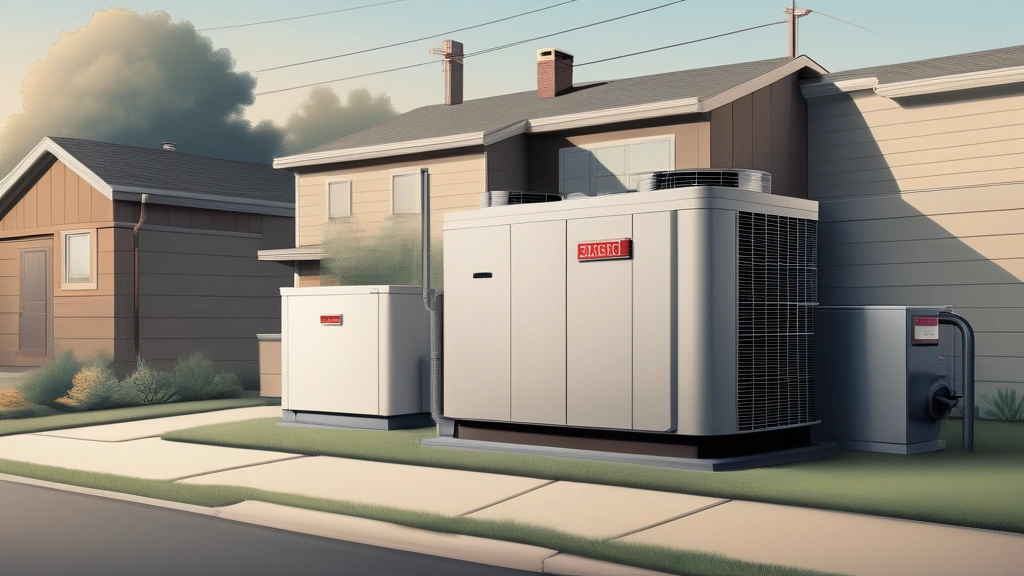
The transition is not without technical challenges. In Halifax, approximately 85 to 90 per cent of existing oil systems are boilers, while only 10 to 15 per cent are forced air systems. Boilers require frequent cycling—often 25 to 30 times a day—to maintain temperature, making them less efficient and more costly to operate amid rising fuel prices.
Beyond individual household decisions, the broader economic context includes reduced government support. Last year, the provincial government cut funding for the Heating Assistance Rebate Program by 70 per cent. This reduction rendered 64,000 previously eligible individuals ineligible for assistance. Additionally, federal rebate programs for heat pumps, which were introduced roughly 10 years ago, have largely dried up.
Political leaders, including NDP representative Claudia Chender, have highlighted the growing issue of energy poverty in the province. The combination of soaring costs and diminished financial aid has intensified scrutiny of traditional heating methods and fueled anger toward the provincial government’s handling of energy affordability.