Canada and China Extend Seafood Trade Agreement Through 2028
Canada and China have extended a trade agreement granting Chinese market access to Canadian lobster and crab for two additional years, until the end of 2028. The extension brings relief to Nova Scotia's seafood industry after tariffs previously caused nearly a quarter-billion dollars in lost sales, though some exporters remain disappointed that duties on species like whelk and sea cucumber persist.
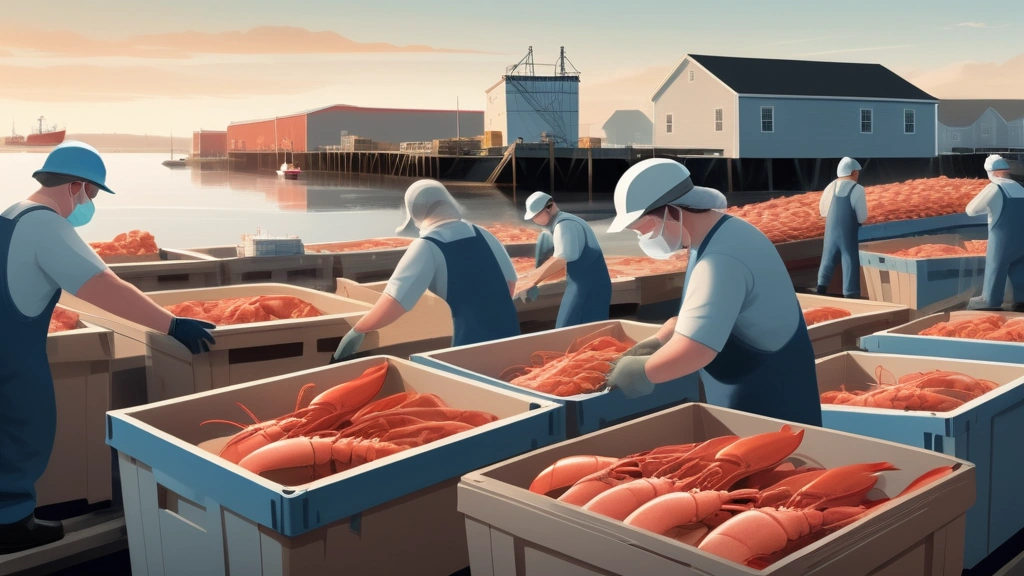
Canada and China have agreed to extend a trade deal providing Chinese market access to Canadian seafood imports, including lobster and crab, for an additional two years. Trade Minister Maninder Sidhu announced the extension on Wednesday. The original agreement was set to expire at the end of this year but will now run through the end of 2028.
The arrangement was initially announced by Prime Minister Mark Carney and Chinese President Xi Jinping following a visit to China. In March, China dropped tariffs on certain Canadian lobster, crab, canola meal, and peas in exchange for Canada allowing specific Chinese steel and aluminum products into the country.
The extension offers significant relief to Nova Scotia’s seafood industry, which had faced concerns about the potential reinstatement of a 25 per cent tariff on live lobster. During the 12 months when those tariffs were in place, the industry experienced a loss of sales into China nearing a quarter of a billion dollars on live lobster alone.
Since the tariffs were lifted in March, lobster exports have grown by more than 56 per cent compared to the same period last year, rising from $128 million to $200 million. The renewed agreement provides increased stability and medium-term certainty for the lobster and crab sector.
China remains a vital destination for Canadian seafood. In 2024, Nova Scotia exported $615 million worth of fish and seafood to China, making it the province’s second-largest market behind the United States. Nova Scotia is the largest exporter of fish and seafood to China among all Canadian provinces and territories.
Despite the positive developments for lobster and crab, not all segments of the industry are benefiting equally. Seafood products such as whelk and sea cucumber remain subject to 25 per cent tariffs under the current terms. This has left some exporters disappointed, prompting certain companies to pivot toward new markets such as Korea and Malaysia due to the ongoing tariff barriers in China.