Ottawa to Announce $100 Million for Nova Scotia Offshore Wind Development
The federal government is set to commit $100 million toward offshore wind energy in Nova Scotia, supporting the massive Wind West project ahead of a winter 2027 call for bids.
The federal government is preparing to announce a $100-million commitment toward developing offshore wind energy in Nova Scotia. Federal Energy Minister Tim Hodgson is expected to deliver the announcement in Halifax on Thursday morning, joined by Justice Minister Sean Fraser and Nova Scotia Premier Tim Houston.
Fraser recently attended the world’s largest wind industry trade show in Germany. Houston has long called on Ottawa to help cover costs for the Wind West project, which is central to the province's offshore energy ambitions.
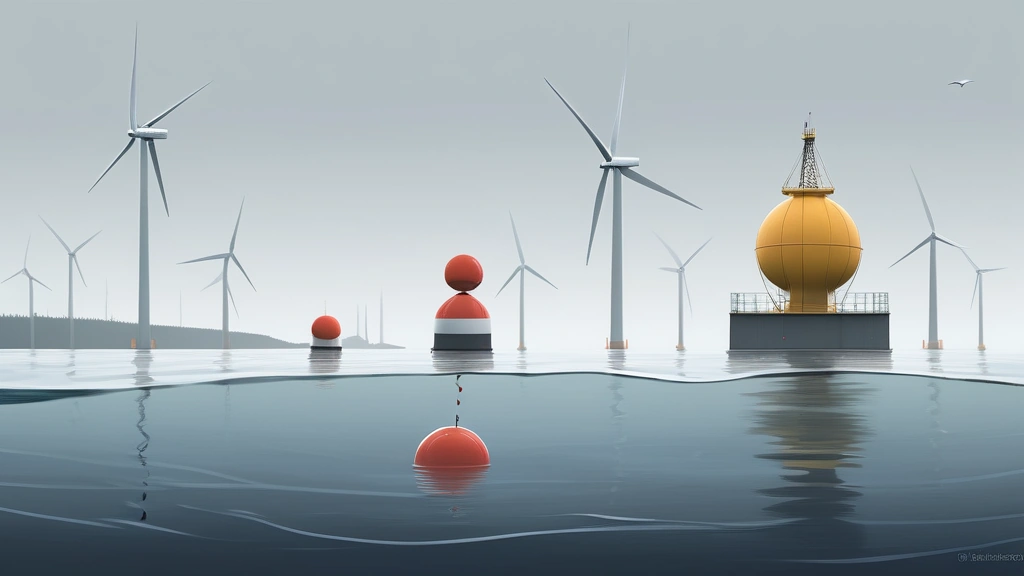
Of the total funding, $5 million will go toward deploying a fleet of buoys to measure wind speeds and ocean conditions. The data is intended to inform prospective investors ahead of a call for bids scheduled for winter 2027. An additional $3 million will be committed to expanding modelling for the transmission of offshore wind power from Nova Scotia to Quebec and Ontario, as well as for underwater survey work.
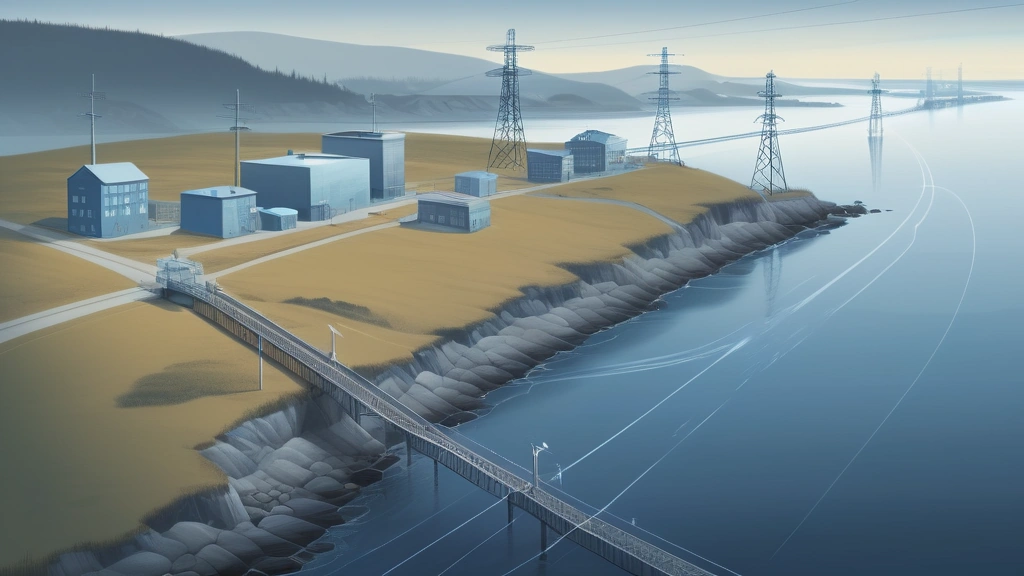
The first phase of the Wind West project is estimated to cost about $60 billion. Approximately $40 billion of that figure is allocated for turbine infrastructure, with another $20 billion designated for new transmission lines. The initial phase would produce about five gigawatts of power as early as 2033.
In June 2025, Houston stated that the province's plan to license offshore wind farms would increase from five gigawatts to 40 gigawatts. He has said the excess electricity generated under the expanded plan could supply 27 per cent of Canada’s total demand. Quebec and Massachusetts have already shown interest in buying electricity from the proposed project.
Earlier this year, Nova Scotia’s offshore energy regulator signalled its intent to begin studying areas of the ocean for the first turbines of the Wind West project.
Canada currently generates more than 80 per cent of its electricity from renewables such as solar, hydro, nuclear, and wind power. However, the country has yet to install a single offshore wind turbine. Nearly 30 countries are ahead in the sector, including nations in the North Sea region that are generating more than 30 gigawatts.
According to Marine Renewables Canada, the global offshore wind market is projected to become a trillion-dollar industry by 2040.
The federal government unveiled an electricity strategy in May that aims to double Canada’s grid, with a key component leveraging natural gas build-out. Clean Energy Canada criticized that strategy, arguing it overstated the role of natural gas while understating the benefits of clean energy.