Canada Launches Live Drone Procurement 'Gauntlets' to Accelerate Military Acquisitions
Ottawa is introducing live drone procurement competitions called gauntlets under its $2.3-billion Defence Drone Initiative, aiming to rapidly acquire low-cost systems for the Canadian Armed Forces while scaling domestic production to millions of drones annually.
Ottawa is launching live drone procurement competitions known as "gauntlets" to evaluate drone and counterdrone technology on the spot. The field trials are part of Canada's Defence Drone Initiative, which received $2.3 billion over five years beginning next fiscal year according to the 2026 federal budget. 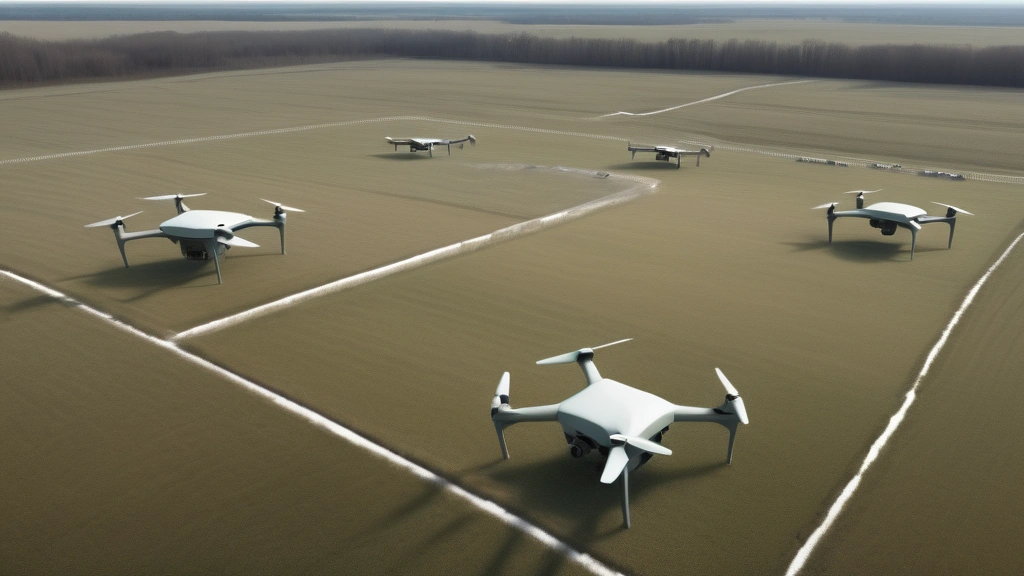
The Canadian gauntlets mirror a US$1-billion initiative launched by U.S. Defence Secretary Pete Hegseth in December 2025. Under the Canadian model, contracts will be awarded based on leaderboard rankings determined by Canadian Armed Forces members during field trials. The approach aims to accelerate the acquisition of low-cost systems for the military and bolster the domestic supply chain.
Prime Minister Mark Carney stated that Canada currently has 2,000 drones in inventory but will need millions in the coming years. To meet this demand, several companies have already secured significant contracts. Volatus Aerospace won a contract in September to supply up to 5,000 tactical-intelligence drones to the Canadian military for $25 million. FPDynamics Advanced Robotics Inc. won a potential $25-million contract to supply the military with 5,000 low-cost drones, while Draganfly Inc. won a contract to potentially supply 5,000 drones worth up to $24.25 million.
Volatus Aerospace operates out of a new 50,000 square-foot headquarters at Mirabel Airport in Montreal. Draganfly CEO Cameron Chell described reports linking a $10-million investment to Donald Trump personally as a "foreign influence fabrication." 
Interest from industry has been substantial. The initial round of applications for the drone marketplace closed over the summer, accepting nearly 400 suppliers. A second round of applications closed at the beginning of November with 208 applications received.
The initiative forms part of Prime Minister Carney's broader defence strategy. By utilizing civilian facilities for testing, the government seeks to address bottlenecks and reduce reliance on military bases like CFB Suffield.