Canada Strong Pass Returns for Third Year Amid Parks Canada Layoffs and Record Visitation
The Canada Strong Pass is back for a third summer, offering free admission to Parks Canada sites. The initiative coincides with $145 million in budget cuts and the planned layoff of 517 full-time positions at Parks Canada, raising concerns among unions and local officials about service quality as visitation hits record highs.
The Canada Strong Pass will return for a third year this summer, providing free admission to Parks Canada sites across the country. The Department of Canadian Heritage stated that the pass's return coincides with Canada’s 160th anniversary. In addition to park entry, the pass provides youth with free or discounted access to national museums, galleries, and VIA Rail tickets.
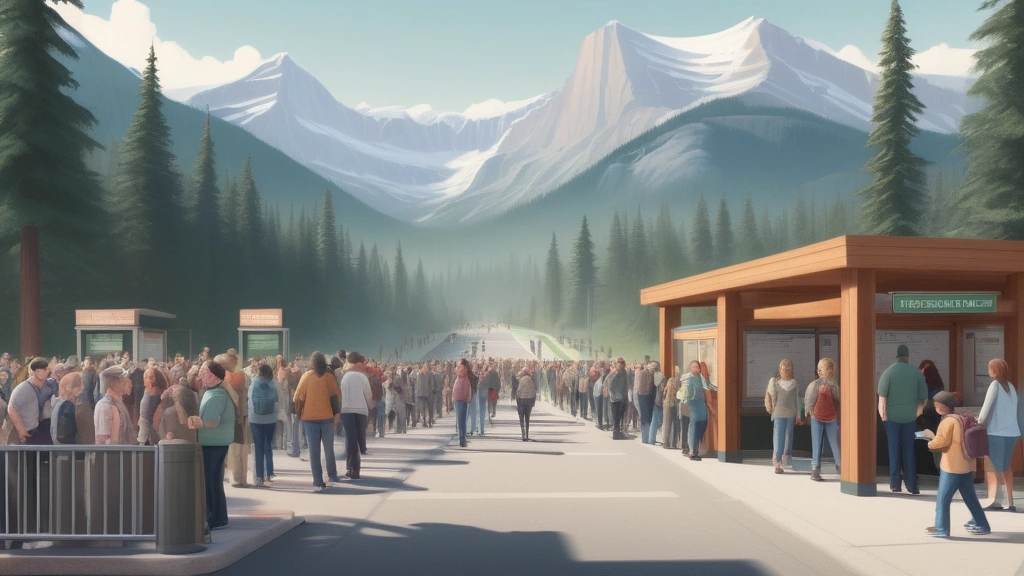
To cover estimated lost revenue from free entry and discounted camping, Parks Canada is receiving $76 million from the federal budget. During the previous two summers and one winter the program ran, the agency received approximately $160 million.
The renewed accessibility push comes as Parks Canada faces significant financial constraints. Prime Minister Mark Carney has directed federal ministries, agencies, and departments to achieve 10 to 15 per cent savings over the next three years. For Parks Canada, these directed savings translate to about $145 million in cuts. As part of these budget reductions, the agency intends to lay off 517 full-time positions.
Parks Canada sent 2,917 letters to employees—representing more than half of its workforce—notifying them that their jobs could be cut or their roles changed. Staff have until November 23 to take voluntary retirement or buyout options. The Union of National Employees requested an extra 30 days for staff to get information on the changes, which Parks Canada denied.
Union representatives and local officials have expressed concern that increased visitation without adequate staffing will degrade service quality and infrastructure maintenance. Banff Mayor Corrie DiManno argues the pass lacks a strategic implementation plan and suggests alternatives such as off-peak seasons. The Department of Canadian Heritage maintains that the summer timing was chosen because children are out of school. DiManno questions whether the pass causes increased traffic, attributing congestion instead to peak season, regional growth, and travel costs, while the government promotes the pass as a way to increase accessibility and tourism. Local municipalities like Banff are advocating for strategic adjustments, including off-peak passes or transit promotion, to manage congestion.
Visitor numbers continue to place pressure on resources. Banff National Park recently hit a record 4.5 million visitors. According to Town of Banff statistics, 1.77 million vehicles entered the Banff townsite in July and August, an all-time high.
Specific destinations within the park are also experiencing heavy traffic. Parks Canada estimates current visitation to Moraine Lake hits about one million people a year via commercial vehicle operators, up from an estimated 700,000 visitors in 2022 when personal vehicles were last allowed. At Lake Louise, Parks Canada estimates about 3,300 people visit daily in personal vehicles and about 2,700 arrive on buses. Roughly half of the visitors to Lake Louise on buses are Canadians.