Pentagon Fact Sheet Criticizes Canada's Military Readiness and Defence Spending
The U.S. Department of War released a fact sheet accusing Canada of failing to meet its NORAD and NATO obligations, citing low operational readiness across the Canadian military. The release follows a classified directive restricting certain U.S.-Canada military co-operation, though officials from both countries have characterized the measures as largely symbolic.
The Pentagon released a fact sheet on Monday accusing Canada of failing to meet its international obligations to NORAD and NATO, alleging that Ottawa has prioritized parochial economic interests over security commitments. Axios was the first news outlet to report the contents of the document on Sunday.
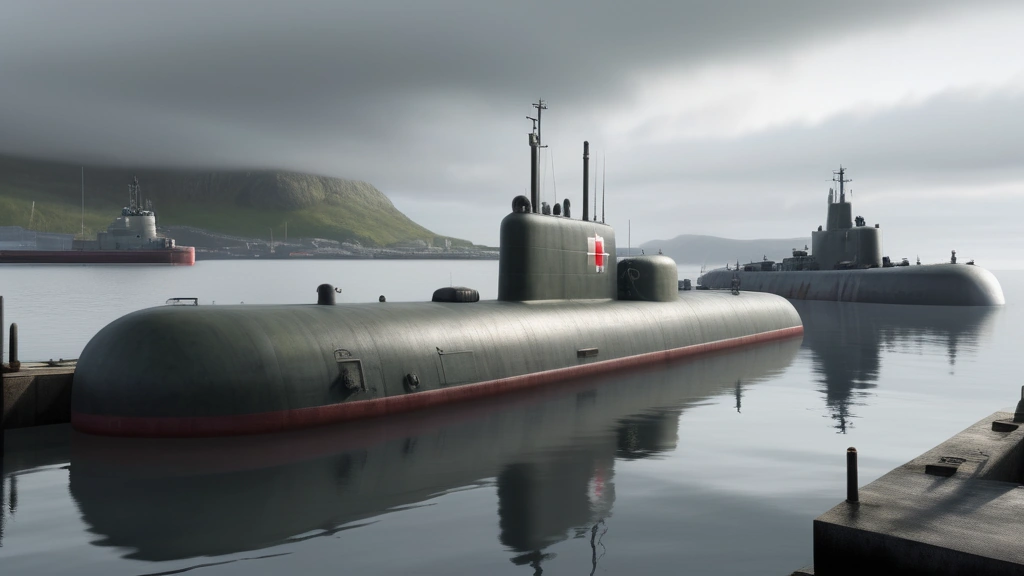
The fact sheet highlights low operational readiness rates across the Canadian military. It states that the Canadian air force has only 41.9 per cent of its fleet ready for operations in the current budget year, reducing its ability to contribute to North American air defence. According to the document, only one of four boats in the Canadian navy's submarine fleet is currently operational. The Pentagon also criticized Canada for deferring the largest increases needed to meet NATO targets until after the 2029 federal election.
The Liberal government is currently reviewing whether to proceed with the full purchase of U.S.-made F-35 fighters from Lockheed Martin, introducing further uncertainty into defence procurement.
The public release of the fact sheet follows a classified directive issued by U.S. Secretary of War Pete Hegseth restricting military co-operation between the United States and Canada. These restrictions limit flag officer meetings, require permission for social events, and restrict co-operation on think-tanks and socializing.
Despite the directive, U.S. Senator Mike Rounds stated that the restrictions imposed by Hegseth are largely symbolic and do not affect day-to-day military operations, intelligence sharing, or defence planning. Canadian Defence Minister David McGuinty echoed this assessment at the Halifax International Security Forum, describing the situation as "business as usual" between the Canadian and U.S. militaries.
Meetings of the Permanent Joint Board on Defence (PJBD), which was established in 1940, were suspended last fall. While officials maintain that core operations remain unaffected, the developments have introduced uncertainty for NORAD cooperation and placed increased burden on the U.S. Joint Force and taxpayers due to Canadian defence shortfalls.