Pickering Nuclear Unit 5 Shuts Down, Sparking Debate Over Costs and Grid Reliability
The shutdown of Pickering Nuclear Generating Station’s Unit 5 marks the beginning of a $26.8-billion refurbishment project that will take all four operational units offline by September 30. While industrial groups warn of skyrocketing electricity prices due to increased reliance on gas-fired generation, the Independent Electricity System Operator forecasts sufficient reserve capacity.
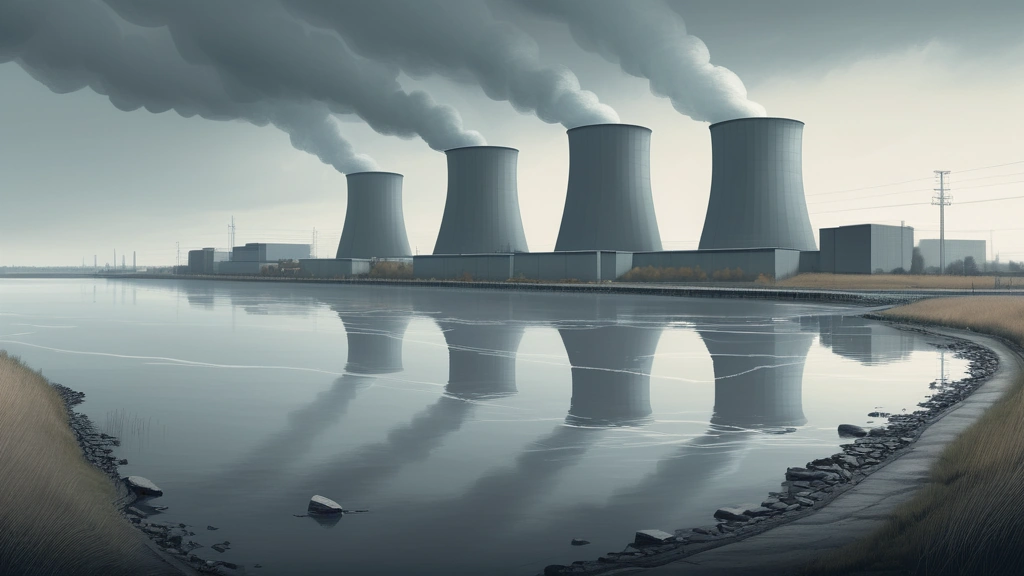
Pickering Nuclear Generating Station’s Unit 5 reactor shut down on Tuesday, initiating the first step in taking the plant offline for an extensive refurbishment. All four operational units at Pickering are scheduled to come offline before Sept. 30 for the $26.8-billion project. The Pickering B units currently produce about one-tenth of Ontario’s electricity and are expected to return to service between 2031 and 2034.
The provincial government expects gas-fired plants to provide a larger portion of Ontario’s power while Pickering is offline. This shift has raised concerns among large industrial consumers, who pay wholesale prices that change throughout the day, unlike residential consumers who pay fixed rates set by the Ontario Energy Board.
Brad Duguid, president of the Association of Major Power Consumers in Ontario (AMPCO), warned of unprecedented price spikes during the period when natural gas generators fill the gap left by Pickering. AMPCO members include major manufacturers such as Ford Motor Co., Toyota Motor Corp., Stelco, and ArcelorMittal Dofasco. In August, the association lobbied Premier Doug Ford and ministers to create a new program lowering electricity rates for large industrial consumers before winter.
Noah Mawji, spokesperson for Energy Minister Stephen Lecce, cited existing programs like the Industrial Conservation Initiative and called on the federal government to eliminate industrial carbon pricing. According to the provincial government, eliminating industrial carbon pricing would save large industrial consumers approximately 10 per cent on their electricity bills.
Despite these concerns, forecasts from the Independent Electricity System Operator (IESO) suggest the province will have enough reserve generation capacity to weather peak demand periods. Until 2020, three nuclear plants—Pickering, Darlington, and Bruce—generated more than 60 per cent of Ontario’s electricity.
The refurbishment has also drawn opposition from activist groups. The Canadian Coalition for Nuclear Responsibility opposed the project in a submission to the Canadian Nuclear Safety Commission, calling it prohibitively expensive and risky. The Ontario Clean Air Alliance compared the refurbishment to rebuilding a 1986 Ford Taurus, citing previous over-budget overhauls and reliability issues. OPG completed a refurbishment of its Darlington station in March, but the station suffered several unplanned outages this year.