P.E.I. Court Dismisses Charter Challenge in 1988 Byron Carr Murder Case Before Charges Withdrawn
A P.E.I. Supreme Court judge dismissed a Charter challenge over police DNA collection methods in the 1988 murder of Byron Carr, but first-degree murder charges against Todd Joseph Irving were later withdrawn after it was revealed Charlottetown police had lost key physical evidence.
In October 2025, Chief Justice Tracey Clements of the P.E.I. Supreme Court dismissed a Charter challenge brought by Todd Joseph Irving, who had been accused in the 1988 cold case murder of Byron Carr. The ruling addressed how Charlottetown Police Services collected DNA during the decades-long investigation, though the charges against Irving were ultimately withdrawn before trial.

Carr, a 36-year-old high school teacher, was found dead in his Charlottetown home in 1988. He had been strangled with a towel and stabbed post-mortem, and the words "I will kill again" were written on the wall. Irving was charged with first-degree murder and interfering with human remains following an arrest announcement in 2024.
During the investigation, police collected DNA samples from at least 279 people, excluding Irving. Of those samples, 13 were taken without the individuals' knowledge or consent, and only three were obtained via a search warrant. Defence lawyer Chris Montigny argued that police acted on hunches and conducted a fishing expedition by taking DNA from discarded items such as pizza boxes, napkins, and cigarette butts after individuals refused to provide samples. Montigny claimed police offered an "illusion of choice" by collecting cast-off DNA following refusals. Individuals whose DNA was collected without consent expressed shock and anger, describing the actions as an invasion of privacy.
Crown attorney Chris White countered that collecting garbage for DNA is a perfectly lawful investigative tool accepted for over 30 years and endorsed by the Supreme Court of Canada. White stated that consent forms are used for operational efficiency and are not a precondition for lawfully gathering cast-off DNA.
Chief Justice Clements sided with the Crown, ruling that Irving forfeited any expectation of privacy when he abandoned the items in question. The dismissal meant the DNA evidence would have been admissible if the case had proceeded.
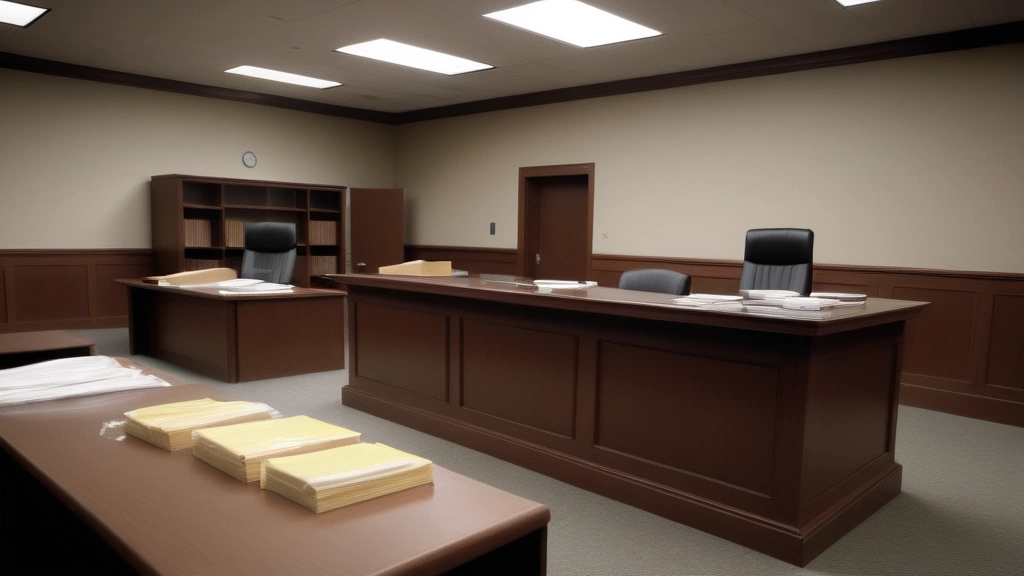
However, the prosecution did not move forward. Charges against Irving were withdrawn after it was revealed that Charlottetown police had lost substantial key evidence from the crime scene, including the towel used to strangle Carr, the knife, and drywall. The loss of this physical evidence led directly to the withdrawal of the murder charges, highlighting ongoing tensions between solving cold cases and protecting individual rights regarding genetic material.