Port Hawkesbury Residents Demand Answers After Historic September Flooding
Approximately 120 residents attended a public open house in Port Hawkesbury to discuss flood damage from early September rainfall. Many expressed frustration over the lack of formal updates and clear timelines for repairs, while the mayor promised further information at the next council meeting on October 6.
Approximately 120 residents gathered at a public open house meeting in Port Hawkesbury to address the aftermath of historic flooding caused by heavy rainfall on September 4 and 5. The session was organized as part of an independent study conducted by Strum Consulting, which the town hired to examine its storm water management system.
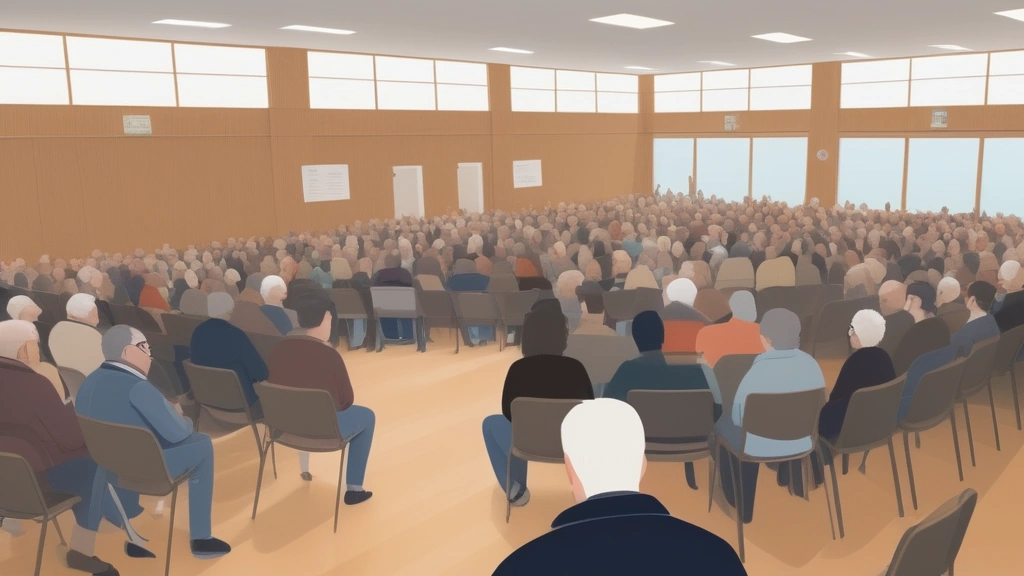
Most attendees came from the Tamarac Heights subdivision, one of the areas hardest hit during the Labour Day weekend storm. Many residents criticized the lack of a formal update from the town and Strum Consulting during the event. Attendees demanded to know when concrete solutions would be available for homes damaged by the severe weather.
Resident Michelle Kean said she had to tear out recent renovations after her basement flooded. She stated she refuses to redo the work due to uncertainty about future flooding risks. Kean and other Tamarac Heights residents planned a private meeting at the Unifor union hall on Reeves Street for Thursday evening to discuss their concerns further.
Representatives from Clean Nova Scotia and businesses specializing in roof and home repair also attended the open house. Separately, CBCL Engineering is conducting another study of water systems serving Port Hawkesbury and nearby Port Hastings.

Port Hawkesbury Mayor Brenda Chisholm-Beaton defended the open house format, describing it as a data-gathering exercise. She promised that an update would be provided at the next regular council meeting on October 6. The mayor also indicated that the town may need to seek provincial or federal government support for long-term storm-water drainage infrastructure solutions if the required upgrades exceed local capacity.