Nova Scotia Premier Softens Stance on Data Centres Amid Federal Rule Changes
Premier Tim Houston is now open to data centre proposals in Nova Scotia if they meet strict environmental and economic conditions, a shift from his previous position that such discussions were premature.
Nova Scotia Premier Tim Houston has indicated a willingness to consider data centre projects within the province, marking a significant change from his earlier stance that it was too early to discuss such developments before major energy infrastructure projects were completed.
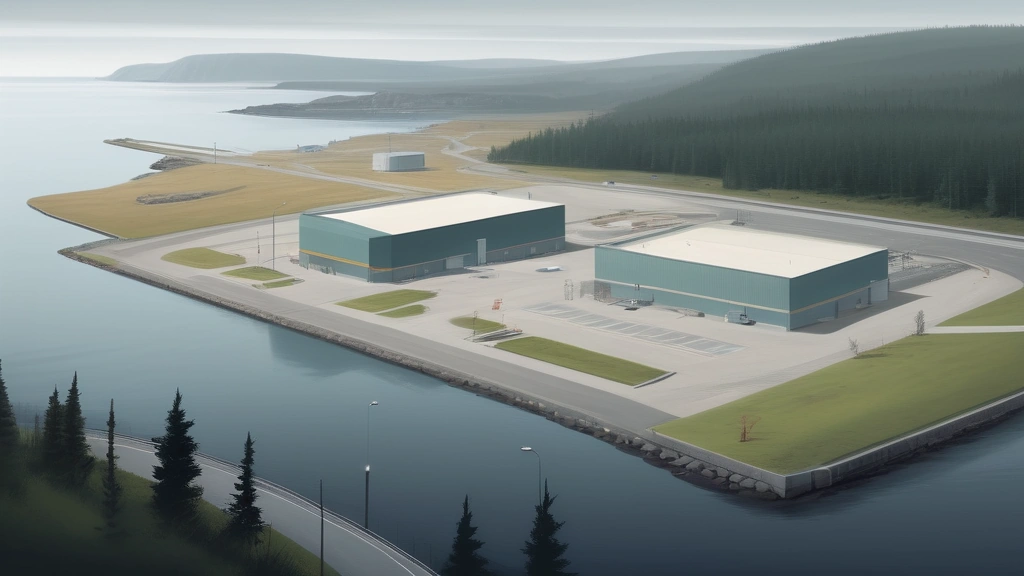
In a statement released on Wednesday, Houston explained that the situation has evolved. He noted that he is now prepared to evaluate proposals that could help create demand and investment cases for ongoing energy projects. This policy shift coincides with the federal government’s introduction of new rules for the sector, which Houston cited as a key factor in changing his perspective.
Previously, the Premier had argued that discussing data centres was premature until major initiatives like the Wind West offshore wind proposal were finalized. However, he now asserts that Canada should not be dependent on other countries to store and process critical Canadian data.

Houston outlined five starting conditions that any company must meet to build a major data centre in Nova Scotia. These requirements include adhering to federal standards, protecting water resources and the environment, ensuring ratepayers are not burdened with increased costs, delivering lasting benefits to Nova Scotians, and providing direct financial returns beyond normal taxes.
The potential for development is already being explored by industry players. EverWind Fuels confirmed it is investigating opportunities to host a data centre at its existing industrial site in Point Tupper, Nova Scotia. Additionally, Valard Construction, an Edmonton-based utility contractor owned by Quanta Services, has posted job openings for data centre construction work based in Port Hawkesbury.
This move represents a shift in provincial policy, allowing for earlier consideration of data centre projects than previously planned. While the prospect offers potential economic growth and job creation, it also raises concerns about increased pressure on electricity grids and water resources due to the high energy demands typical of such facilities.