Nova Scotia Premier Tim Houston Backs Data Centres With Strict Conditions
Premier Tim Houston expressed support for data centres in Nova Scotia, citing national security and economic benefits. He outlined specific requirements for approval, including environmental protections and financial returns to residents, while critics warn of resource strain and an AI market bubble.
Nova Scotia Premier Tim Houston has publicly stated his support for the development of data centres within the province. In a Facebook post made on Wednesday, Houston described himself as "pro-data centre," marking a shift in stance that coincides with EverWind Fuels’ interest in building such a facility in Nova Scotia.
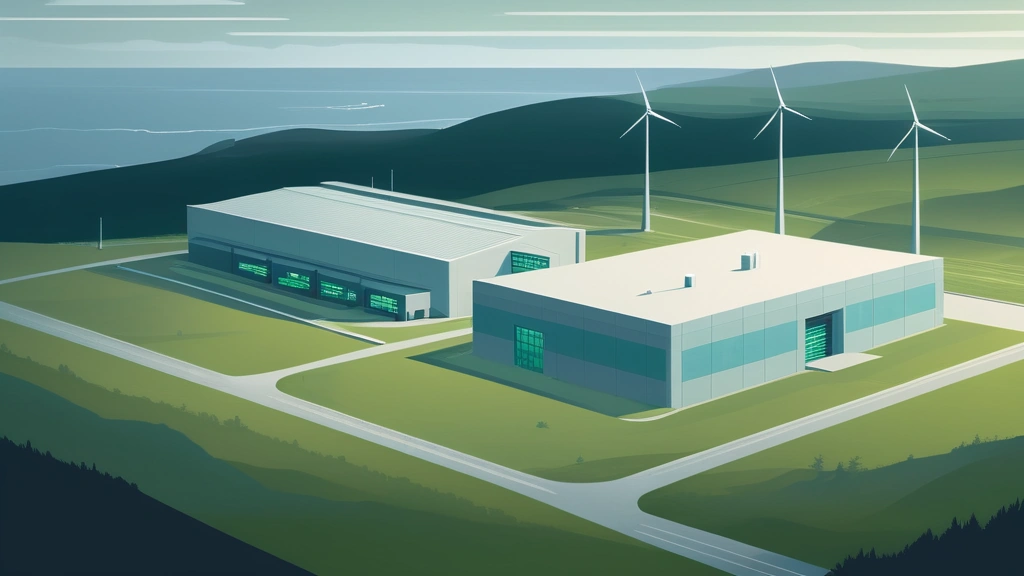
Houston cited several factors influencing his decision, including encouragement from the federal government, investments in data centres by Saskatchewan, and broader geopolitical uncertainty. The premier emphasized that any approval would be contingent upon meeting strict conditions designed to protect provincial interests.
According to Houston, developers must adhere to federal principles and implement closed-loop cooling systems to mitigate environmental impact. Additionally, companies are required to pay for their electrical usage costs, deliver jobs to the region, and provide direct financial returns to Nova Scotians.
The proposal comes amid growing scrutiny over the resource demands of large-scale data infrastructure. Reports indicate that data centres in the United States consume between 300,000 and 5 million gallons of water daily, along with electricity equivalent to powering approximately 100,000 homes. Two-thirds of US data centres are currently located in Arizona and Texas, regions where resource management is already a critical concern.
While supporters point to potential job creation and business opportunities, critics have raised alarms about the sustainability of the sector. Ed Zitron, CEO of EZ Primary Research, predicted that an impending "AI bubble" could burst due to high levels of debt associated with data centre construction and insufficient revenue generated by AI companies. There are also concerns regarding potential increases in electricity rates for local customers and worsening water supplies during droughts.