Thousands Protest AI Data Centre Plans Across Nova Scotia
Approximately seven protests took place across Nova Scotia on November 7, 2026, opposing EverWind Fuels' proposed AI data centre in Point Tupper. Nearly 1,000 people marched in Halifax, with organizers calling for a moratorium on large-scale AI data centre projects over concerns about water, electricity, the environment, and Mi'kmaw consent.
Nearly 1,000 people gathered at Province House in downtown Halifax on Saturday, November 7, 2026, before marching through the rain to protest the construction of artificial intelligence data centres in Nova Scotia. The demonstration was the largest of approximately seven held across the province that day.

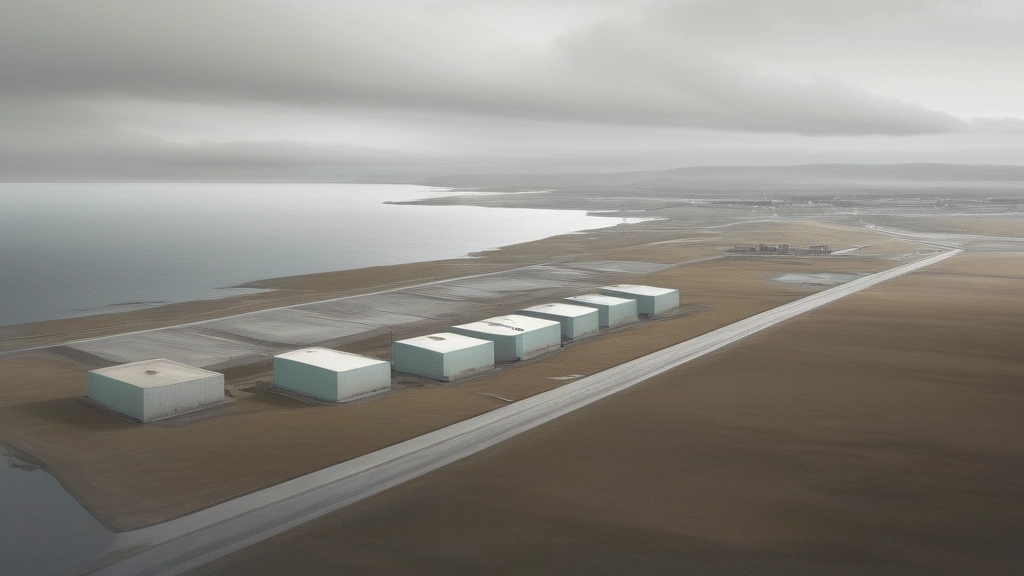
The protests target a plan by EverWind Fuels to build an AI data centre in Point Tupper, Cape Breton. The facility is intended to support American company Anthropic's chatbot, Claude. Anthropic has signed a 20-year lease for the 18,600-square-metre site. The first phase of the project is expected to come online in 2027, drawing 95 megawatts of electricity from the provincial grid. A 325-megawatt expansion is scheduled for mid-2028. EverWind intends to draw power from the provincial grid until its own onshore wind turbines are built; the company holds approvals for the turbines but has not started construction.
Significant gatherings also occurred outside Halifax. About 200 people protested in Kentville, roughly 150 assembled in Port Hawkesbury, and dozens gathered in Truro.
Protest organizers called for a moratorium on all large-scale AI data centre proposals in the province. Participants raised concerns regarding impacts on water resources, potential increases in electricity rates, environmental health, and the lack of Mi'kmaw consent under Peace and Friendship Treaties.
Earlier in the week, EverWind held public meetings in D'Escousse and Lower River Inhabitants, where residents asked questions about the $10-billion project.
Premier Tim Houston stated that the data centre can only proceed if it meets and exceeds provincial and federal guidelines regarding water, environment, and power capacity. He did not confirm whether new legislation would be required to regulate such developments.