Nova Scotia Premier Opens Door to Data Centres, But Critics Question Protections
Premier Tim Houston outlined conditions for potential data centre development in Nova Scotia, including environmental safeguards and no rate hikes. However, a policy researcher criticized the lack of concrete regulations, warning of risks to ratepayers, water supplies, and true data sovereignty.
Nova Scotia Premier Tim Houston has announced that the province is open to considering data centre developments, provided they meet specific criteria. The announcement follows reports that EverWind is exploring the possibility of hosting a data centre at its Point Tupper site.
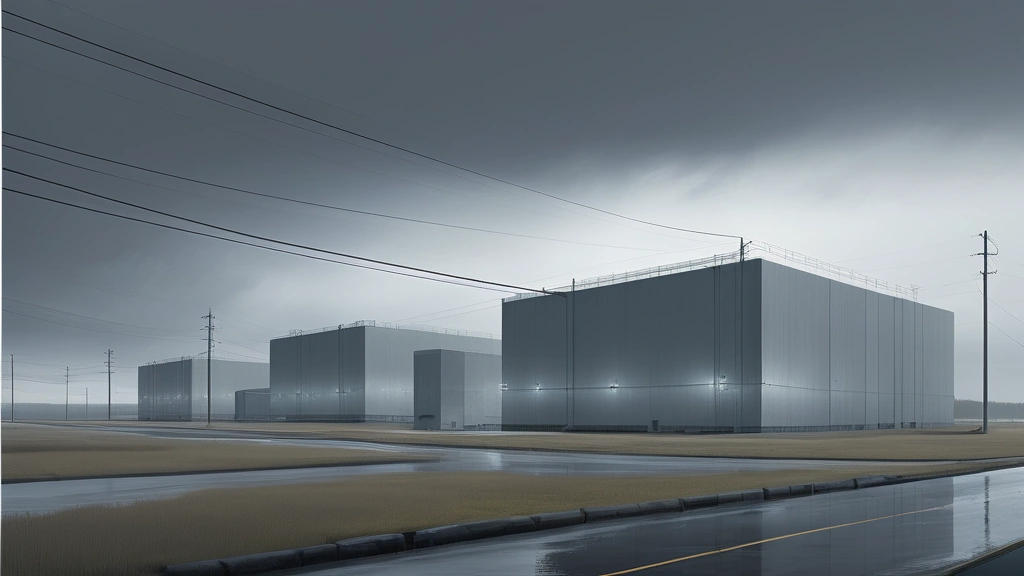
Houston stated that any such projects must adhere to new federal standards, protect the environment through closed-loop cooling systems, ensure no increase in resident power bills, create jobs, and provide a financial return on investment. In response to inquiries about the potential project, EverWind said any data centre would be designed to protect electricity ratepayers and water resources, cover energy and infrastructure costs, and benefit nearby communities. However, the company did not specify details regarding job numbers, cooling systems, or power supplies.
Despite these assurances, Simon Enoch, a senior researcher at the Canadian Centre for Policy Alternatives, argued that the premier’s conditions lack concrete policy, rules, regulations, and enforcement mechanisms. Enoch suggested that protecting ratepayers might require special electricity rates for data centres and mandating that developers pay upfront for infrastructure upgrades, such as substations. He warned that even in the United States, initial regulations have not clearly prevented increases in electricity rates.

Enoch also highlighted concerns regarding the environmental impact of closed-loop cooling systems. While these systems reduce water use, they require significant energy, which could increase emissions if powered by fossil fuels. Additionally, he raised issues about the disposal of chemical additives used in these systems to prevent freezing, corrosion, and algae growth, noting the risk of these chemicals entering local water supplies.
Regarding employment, Enoch pointed out that data centre job creation is primarily front-loaded during the 12 to 18-month construction phase, with few permanent operational jobs required thereafter. He further distinguished between data residency—storing data within Canada—and data sovereignty, arguing that physical location alone does not guarantee Canadian control over the data.