Albertans Vote Decisively to Remain in Canada in October 20 Referendum
Preliminary results from Alberta's October 20, 2026 referendum show 75.5% of voters chose to remain in Canada rather than pursue a binding separation vote. Prime Minister Mark Carney praised the outcome as a victory for national unity amid external pressure from U.S. President Donald Trump.
Alberta voters decisively rejected pursuing a binding separation referendum on October 20, 2026, with preliminary results showing 75.5% support for remaining part of Canada and 24.5% in favor of separation. Twelve hours after polls closed, approximately 1.8 million votes had been tallied from 4,613 of 5,584 reporting stations.

Prime Minister Mark Carney stated that Albertans "chose unity" and emphasized moving forward with "purpose" and "high ambition." The result provides political backing for Carney’s strategy to diversify trade away from the United States, which traditionally receives 70% of Canada's exports. As part of this effort, Carney proposed a pipeline to the Pacific coast to open Asian markets for Alberta oil and reduce dependence on the U.S.
The vote took place against a backdrop of external pressure. On the same day as the referendum, U.S. President Donald Trump mocked the Canadian anthem and hockey at a rally in Kansas, continuing his threats to make Canada the 51st state. Some prominent Alberta separatist leaders admitted to traveling to Washington three times in the previous year to meet with U.S. State Department officials regarding an independent Alberta.
Business leaders expressed relief at the outcome. Deborah Yedlin of the Calgary Chamber of Commerce described the result as a "huge relief" that establishes certainty for investors, alleviating anxiety caused by potential separatism.
Conservative Leader Pierre Poilievre noted that while the majority voted to remain, roughly a quarter of Albertans and a third of Quebecers supported separation options. He called for a renewed focus on housing and grocery prices.
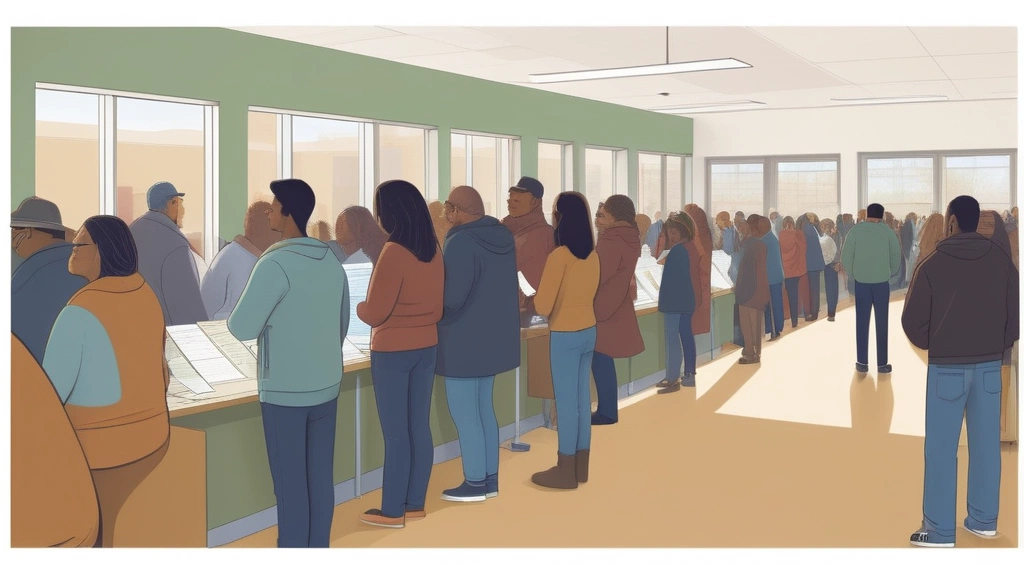
First Nations communities saw record voter turnout, with 36 communities participating compared to 33 in 2023. However, First Nations leaders reported systemic barriers at polling stations, including late openings, ballot shortages, and ID issues. Elections Alberta characterized the ballot shortages in First Nations communities as evidence of higher-than-expected voter engagement, a framing that community leaders disputed as minimizing barriers that denied voting rights.
In addition to the separation question, the referendum included nine other questions covering provincial powers, immigration costs, and constitutional changes. These additional measures are expected to provoke further debate among provinces regarding constitutional amendments on immigration control and judicial appointments.