Two More Survivors Rescued as Nepal Flood Death Toll Hits 1,375
Ten days after devastating floods triggered by a glacial and rock collapse hit Nepal, emergency responders rescued two more survivors: a Chinese man from a hydropower tunnel and a Nepali woman from a mud-buried house. Authorities continue to search for thousands of missing people, including approximately 900 workers at hydropower projects, while the death stands at least 1,375.
Emergency responders have rescued two additional survivors ten days after massive floods struck Nepal, offering a rare moment of hope amid a disaster that has killed at least 1,375 people. The rescues involved a Chinese man pulled from a hydropower tunnel and a Nepali woman saved from a house buried in mud.
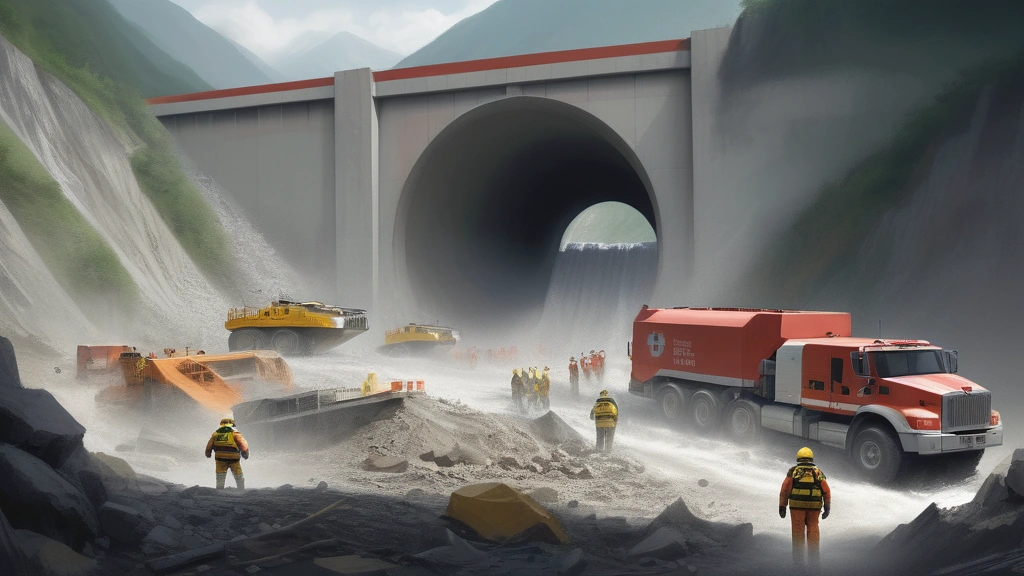
The Chinese man was rescued from a 225-metre (740ft) tunnel at the Upper Trishuli-1 hydropower project. A joint team comprising personnel from the Nepali army and South Korean disaster experts carried out the operation. Following his extraction, he was evacuated by helicopter and is currently undergoing a health assessment.
In a separate operation, a 64-year-old Nepali woman was rescued from a damaged house in Nuwakot, where she had been submerged in mud. She was airlifted to Kathmandu for medical treatment.
These rescues come as international teams from India, China, South Korea, and the US continue to search through debris and damaged structures at various hydropower sites. On Friday, two Nepali workers were also rescued from another tunnel in a hydro-station on the Trishuli River.
However, the situation remains critical for those still unaccounted for. According to Nepal’s disaster management agency, more than 5,000 people are missing. Approximately 900 workers are missing across a dozen hydropower projects, with about 500 thought to be trapped inside huge tunnels. Experts have stated that the possibility of finding missing people alive in these tunnels is diminishing.
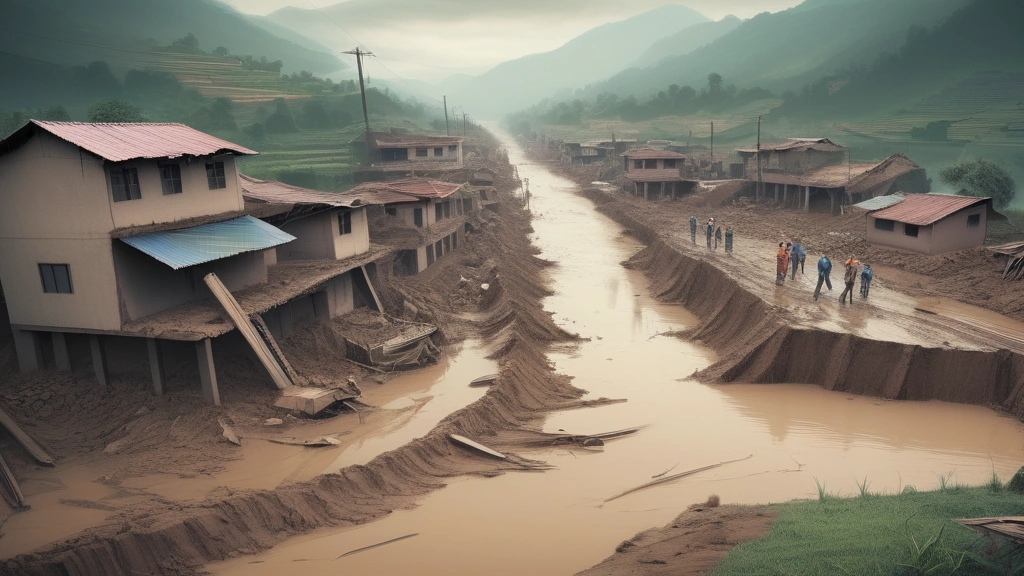
The catastrophic flooding was triggered by a glacial and rock collapse on 26 August. The event caused widespread infrastructural damage, including the collapse of more than 40 bridges, which has significantly complicated emergency response efforts. Rivers remain unpredictably swollen, hindering access to affected areas.