Nova Scotia Residents Rally to Save Lawrencetown’s ‘Big Hill’ and Half Island Point from Private Sale
A community campaign in Lawrencetown, Nova Scotia, has gathered over 2,600 signatures to protect two privately owned coastal properties recently listed for sale. While advocates push for preservation, the provincial government says it currently lacks the plans or funding to acquire the land.
Residents of Lawrencetown, Nova Scotia, are mobilizing to protect two prominent coastal landmarks after learning the privately owned properties have been listed for sale. The campaign focuses on Lawrencetown Beach Hill, known locally as Big Hill, which carries a $7.5 million price tag, and Half Island Point, where 16 hectares are available for $600,000 while the remaining half is already protected.
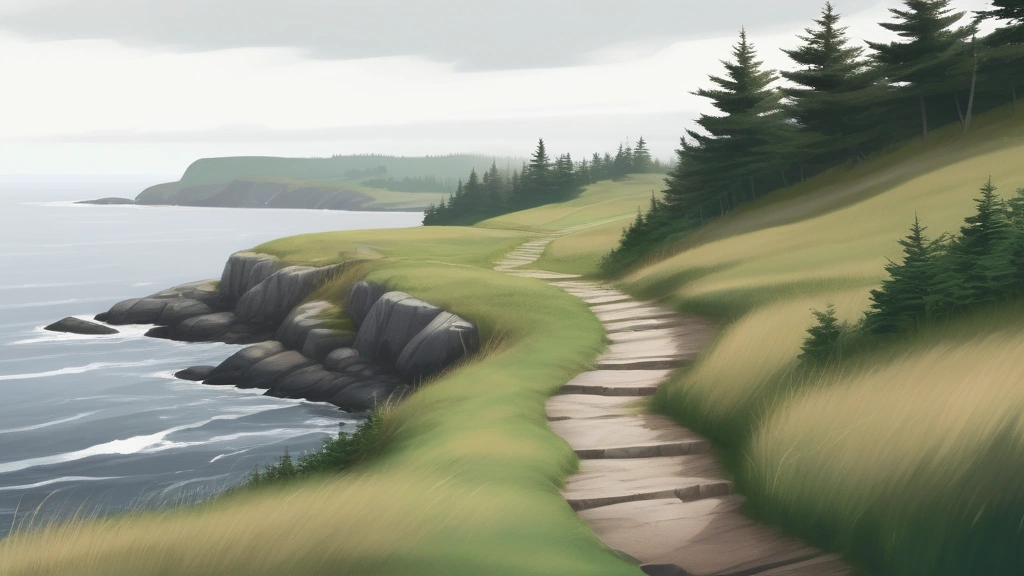
Many community members had long assumed Big Hill was Crown land due to decades of public use, but the property is privately owned. Advocates warn that development could result in the loss of public access to scenic trails and coastal views. Similarly, residents fear private development at Half Island Point would alter its landscape and ecological value. These concerns are compounded by the fact that 85 percent of Nova Scotia’s coastlines are privately owned, and the area currently lacks sidewalks and accessible gyms, limiting local opportunities for exercise and mental health benefits.
Amy DeBaie launched a petition on November 9 to protect Big Hill, working alongside fellow advocate Sunyata Choyce. At the time of reporting, the petition had gathered more than 2,600 signatures. The group is seeking preservation through either provincial park designation or acquisition by a land trust. However, the Nova Scotia Nature Trust has indicated that the $7.5 million asking price for Big Hill is too steep, whereas DeBaie considers the $600,000 price for Half Island Point reasonable for protection efforts.
The Nova Scotia Department of Natural Resources confirmed there are no current plans or identified funding to acquire the Big Hill property or expand the provincial park system. The province’s annual budget for land acquisition to support parks, recreation, biodiversity, and conservation is set at $750,000 for the 2026-2027 fiscal year.
In other regional developments, Bird Canada’s e-scooter and e-bike pilot program in the Halifax Regional Municipality concluded for the winter season on November 30. Since launching in May 2025, nearly 60,000 unique riders took more than 286,000 rides on Bird Canada devices in Halifax, traveling a combined 731,000 kilometres. The end of the pilot leaves the municipality without shared micromobility options until a future decision is made by Regional Council.
At the federal level, Bill C-39, the Building Canada Strong Act, was set to pass in the House of Commons with a Liberal majority. The legislation has drawn criticism from environmental and Indigenous groups, who argue it erodes Indigenous rights, environmental protections, and workers' rights to strike.