Rising Fuel Costs and Inflation Pose Political Risks for Republicans Ahead of Midterms
A Globe and Mail commentary highlights how geopolitical conflicts have driven up energy prices, creating unfavorable conditions for the Republican party in the upcoming U.S. midterm elections.
A recent commentary from The Globe and Mail argues that rising fuel prices, persistent inflation, and high bond yields are generating significant political headwinds for Republicans ahead of the November midterm elections. The article attributes current volatility in energy markets to specific geopolitical events, drawing parallels to historical oil shocks that previously impacted electoral outcomes.

The piece cites a February 28, 2025, attack on Iran by the United States and Israel as a primary driver of instability. This conflict led Iran to close the Strait of Hormuz, a critical chokepoint through which approximately 20 per cent of the world’s oil and liquefied natural gas flows. Following the initial hostilities, Brent crude oil prices surged to US$126 a barrel in the spring before declining due to ceasefire reports. However, renewed attacks between the U.S. and Iran in early September caused prices to climb past US$100, trading at about US$104 on Friday. Additionally, the Houthis seized the Yemeni port of Mocha, further threatening shipping routes via the Bab al-Mandeb Strait.
These market movements have had a direct impact on consumers. According to AAA Fuel Prices monitor data cited in the article, the national average price for regular gasoline reached US$4.30 a gallon, an increase of US$1.10 over the previous year. Diesel prices hit a record US$6 a gallon, up from US$3.70 a year ago, with costs in California reaching almost US$8 per gallon. Oil prices overall experienced a one-year gain of 57 per cent.
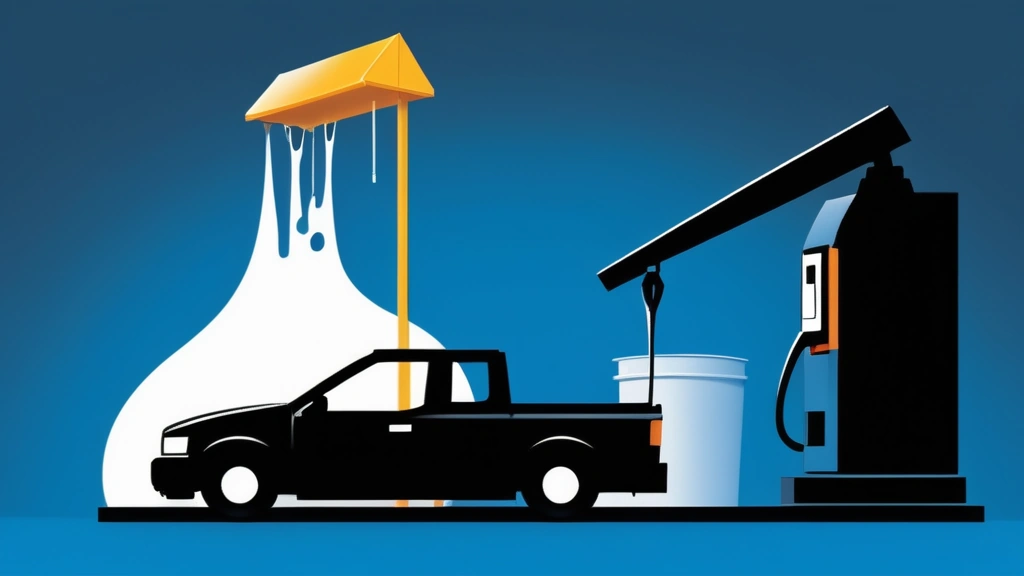
The commentary notes that while U.S. inflation is reported at 3.4 per cent—lower than historical peaks—it remains above the Federal Reserve’s target rate of 2 per cent. This discrepancy continues to drive political discontent. The European Central Bank also raised interest rates by 0.25 percentage points, citing high energy prices as a contributing factor.
Historically, similar economic pressures have influenced election results. The first oil shock occurred during the OPEC embargo in 1973 and 1974, causing oil prices to rise 300 per cent. The second shock followed the Iranian Revolution in 1979, doubling oil prices and triggering global recessions. These events contributed to President Jimmy Carter’s defeat in 1980. The article suggests that despite Donald Trump promising a US$5,000 dividend to every adult if Republicans retain control of Congress, the current economic climate poses a substantial challenge to the party's electoral prospects.