US Shifts Drug Trafficking Strategy to Joint Operations with Allies, Rubio Says
Secretary of State Marco Rubio announced a strategic pivot toward cooperating with allied nations like Colombia and Ecuador in combating drug trafficking. This follows a year of unilateral US military strikes that killed at least 230 people, though Rubio maintained the US retains authority to destroy ships if necessary.
US Secretary of State Marco Rubio has announced a significant shift in the American approach to combating drug trafficking, emphasizing increased cooperation with allied nations such as Colombia and Ecuador. The new strategy involves conducting joint operations within their territorial waters, marking a departure from previous tactics.
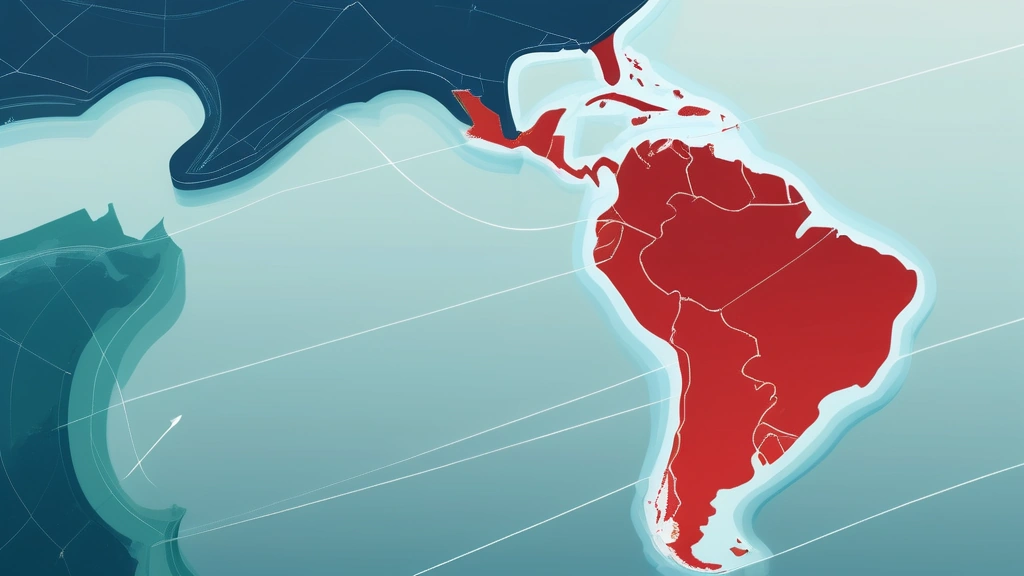
This policy change comes one year after Washington initiated a campaign of unilateral deadly strikes against individuals it designates as "narco-terrorists" operating boats in international waters. According to available data, these actions have resulted in at least 230 deaths across 69 separate strikes by the US military.
Rubio made these remarks during a visit to Quito, Ecuador, which was part of a three-country tour of South America aimed at strengthening security cooperation. He stated that while the Trump administration is now focused on working with allied countries and aligning its efforts with their laws, the US military still retains the authority to destroy ships if deemed necessary.

Recent interdictions have involved removing personnel from floating refueling stations and transferring them to Ecuadorian authorities before the vessels are destroyed. Despite this move toward legal alignment with partners, the latest strike occurred late Wednesday in the Caribbean Sea, killing three people, as announced by US Southern Command.