Western Intelligence Reports Russia Has Assembled Nuclear-Capable Satellite 'Sputnik-S'
German media, citing Western intelligence assessments, report that Russia has assembled a nuclear-enabled satellite named Sputnik-S in the Moscow region that could be launched within 60 days. Experts warn a detonation in low Earth orbit could damage thousands of satellites and create a long-lasting artificial radiation belt, though European officials view the threat as a likely bluff.
German broadcasters NDR and WDR, along with the newspaper Süddeutsche Zeitung, reported that Western intelligence services believe a nuclear-enabled satellite named Sputnik-S was assembled several years ago and is currently stationed in the Moscow region. According to these intelligence assessments, the satellite could be launched within 60 days and become operational shortly afterwards. A German government spokesperson stated that Germany is taking the intelligence reports regarding the potential nuclear satellite "very seriously." 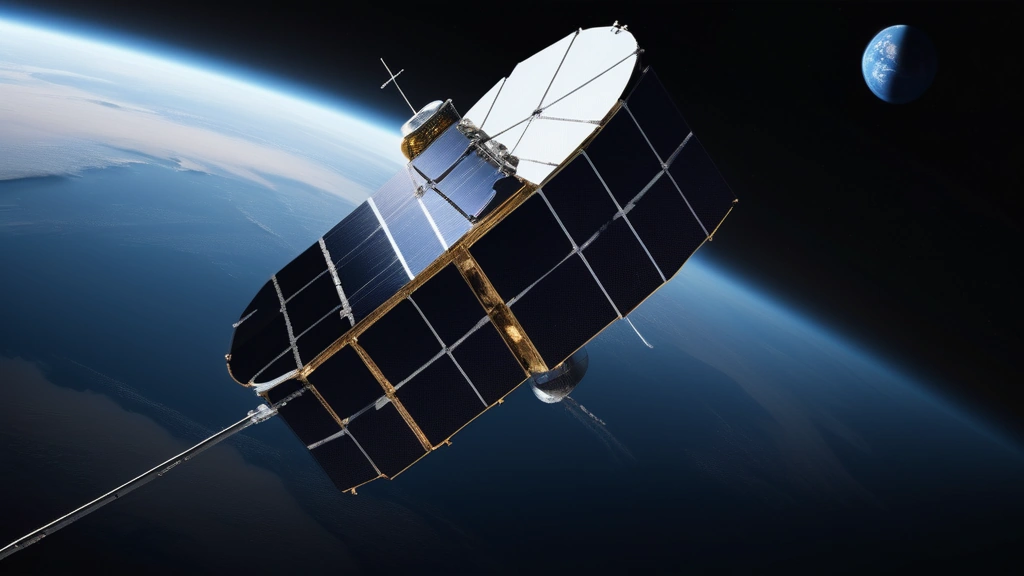
Experts have outlined severe consequences should such a device be detonated in space. Because there is no atmosphere, a nuclear explosion in space releases energy as radiation without forming a mushroom cloud. Jonathan McDowell, an astrophysicist at Durham University, stated that a detonation in low Earth orbit could damage satellites within thousands of miles via X-rays and create a new artificial Van Allen belt. There are approximately 17,000 satellites in lower Earth orbit, including those used for weather forecasting, climate monitoring, military purposes, and Elon Musk's Starlink network. The International Space Station, where Russia is a partner, also operates in low Earth orbit and would be affected by a detonation in that region.
Keith Ryden, a professor of space engineering at the University of Surrey, noted that low Earth orbit satellites are vulnerable to unexpected radiation bursts because they are not designed for high radiation levels. Ryden added that the space industry lacks the capacity to rebuild and launch the required number of spacecraft quickly after such an event. McDowell estimated that recovery from a similar event could take up to a decade.
Historical precedent illustrates the potential scale of disruption. In 1962, the United States conducted the Starfish Prime thermonuclear test 250 miles above Earth. The explosion shortened the life of the Telstar 1 and Ariel-1 satellites and caused severe radiation affecting half of the working satellites at the time. On the ground, hundreds of miles below the explosion in Hawaii, streetlights were knocked out, burglar alarms were triggered, and phone calls were disrupted. The test also produced stunning aurora effects with green, yellow, red, and white colors visible in the sky. McDowell estimated that the artificial Van Allen belt created by Starfish Prime lasted around five years. 
Despite the intelligence reports, some officials and experts express skepticism that Russia would actually execute such a plan. A European security official expressed doubt that Russia would detonate a nuclear device in space, noting it would harm Russia's own satellites and potentially China's, describing it as "shooting themselves in the leg." The European official compared the current situation to Russia's nuclear blackmail during the early stages of the war in Ukraine in 2022, suggesting this is another bluff.