Ballistic Missile Strikes Saudi Aramco Headquarters in Dhahran Amid Escalating Houthi Attacks
A ballistic missile hit Saudi Aramco's administrative headquarters in Dhahran, damaging an office tower and causing a limited fire with no casualties. The strike is part of a week-long barrage by Yemen's Houthi rebels against key Saudi sites, which has also killed 13 people at Riyadh's international airport.
A ballistic missile struck an administrative building belonging to Saudi Aramco in Dhahran, igniting a limited fire at the oil giant's headquarters. According to a company source, the projectile hit an office tower within the Aramco complex, damaging its top three floors. Six sources reported hearing loud booms near the facility. 
The Saudi Energy Ministry confirmed that there were no injuries or deaths resulting from the attack on the Aramco site.
The strike occurred as Yemen's Houthi rebels have fired ballistic missiles and drones at key Saudi sites for a week. The campaign is being carried out in retaliation for Saudi Arabia's military backing of government forces in Yemen. Houthi spokesperson Yahya Saree threatened a harsh response to Saudi-led strikes on Sanaa, specifically targeting Aramco and oil refineries.
Riyadh’s international airport has received four strikes during the escalation, including one on Saturday that killed 13 people. That attack marked the deadliest strike in Saudi Arabia in a decade. Flights have been grounded across the kingdom due to the attacks. In addition to the airport strikes, four people were injured in Riyadh after fragments from intercepted Houthi missiles fell on residential areas. Debris from the intercepted missiles caused limited damage to 15 homes in the capital. 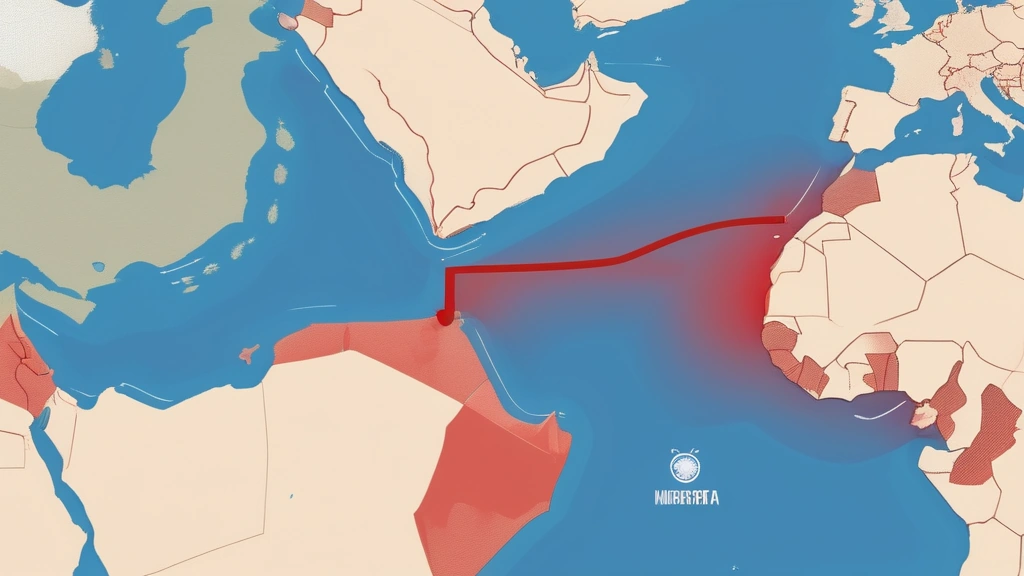
The broader conflict intensified after the Saudi-led coalition attacked the Yemen Petroleum Company’s Sabah central station in Sanaa, stating the operation was intended to neutralize Houthi capabilities. Saudi Arabia resumed its military campaign in Yemen to reverse Houthi gains near the Bab el-Mandeb Strait.
Control of the Bab el-Mandeb Strait has become critical for global energy supply routes since Iran closed the Strait of Hormuz in February. The closure followed the outbreak of the US-Iran war earlier that month, making the Red Sea chokepoint a vital alternative route for energy shipments.