Somali Businesses Shift Shipping Routes Amid Yemen Conflict Disruptions
Security concerns in the Bab al-Mandab and Strait of Hormuz have prompted Somali companies to bypass traditional Gulf transit hubs, leading to direct imports from countries like Sri Lanka and potential cost increases for consumers.
Somalia’s business community is actively seeking alternative shipping routes due to significant disruptions around the Bab al-Mandab Strait and the Strait of Hormuz. These security concerns follow advances by Iran-backed Houthis in Yemen, which have destabilized key maritime corridors.

The recent escalation has ended a ceasefire that had largely halted civil war across Yemen since 2022. The conflict has resulted in mass displacement, with the International Organization for Migration reporting that more than 85,000 people have been displaced since the beginning of the month. Additionally, over 2,000 individuals have fled from Yemen to neighboring Djibouti after Houthi forces captured a key port city and an island.
Historically, Somali companies imported goods from Asia through Gulf countries such as the United Arab Emirates, Oman, and Saudi Arabia. However, facing current instability, businesses are adopting more direct approaches. Mohamed Ali Nur, director of Mogadishu Seaport, stated that the seaport worked with exporters to identify these new routes. As part of this shift, a ship carrying sugar arrived directly from Sri Lanka for the first time, bypassing traditional transit hubs.
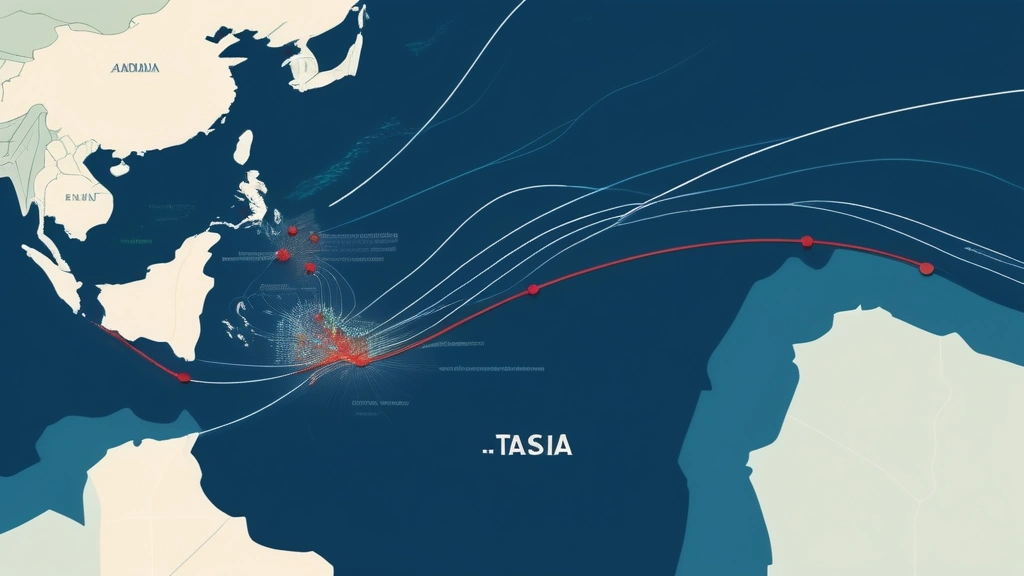
While these changes allow for continued trade, they may lead to higher transportation costs and delays for ordinary Somali consumers. The disruption of traditional shipping lanes through the Arabian Gulf region continues to impact supply chains, forcing local importers to adapt quickly to the evolving geopolitical landscape.