South Korea Rejects Military Deployment to Support US War in Iran
President Lee Jae Myung announced that South Korea will not deploy military assets to support the US war in Iran, defying pressure from Donald Trump. While rejecting direct combat involvement, Seoul is reviewing options to safeguard commercial navigation and crude shipments in the region.
South Korean President Lee Jae Myung has stated that his country will not deploy military forces to the Middle East in a manner that could draw it into conflict with Iran. The announcement, made at a news conference on Friday, directly challenges recent pressure from former US President Donald Trump regarding Seoul’s support for the US war in Iran.
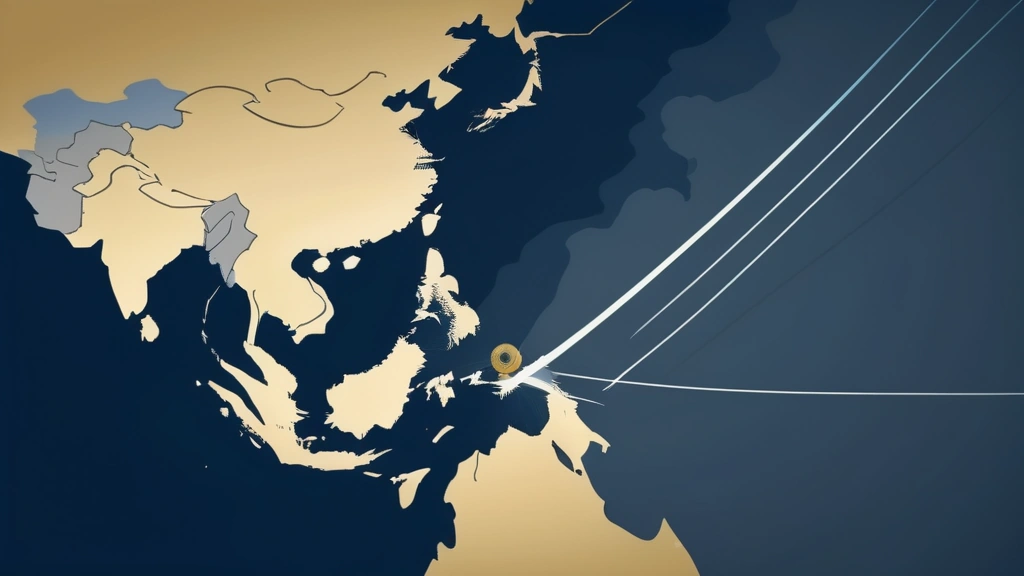
Lee clarified that there would be no deployment involving or entering war, nor any deployment of military assets for that specific purpose. However, he noted that the South Korean government is currently reviewing whether to play a greater role in safeguarding navigation in the region. This potential involvement aims to protect commercial shipping, crude oil shipments, and the safety of citizens, distinct from direct combat operations.
The decision comes amid heightened tensions between Washington and Seoul. Donald Trump has criticized South Korea for providing insufficient support for the Iran conflict. In response to this perceived lack of cooperation, Trump scaled back major joint military drills between the US armed forces and South Korea earlier this summer. The reduction in exercises has unsettled the alliance relationship.
Domestically, the idea of deploying troops to the Strait of Hormuz has been unpopular. The South Korean government had been reviewing such a possibility, but Lee’s firm stance against combat deployment addresses these internal concerns while maintaining a focus on logistical security.
Beyond military issues, Lee addressed ongoing economic negotiations with the United States. He identified concerns over the commercial viability of an investment package as the main sticking point in reaching an agreement. Last year, South Korea committed to investing $350 billion in US manufacturing in exchange for Washington lowering tariffs on Korean imports to 15%.
Progress has been reported in these talks, though delays persist. Seoul postponed a parliamentary briefing on the investment plans scheduled for this week, expecting it to take place next week instead. The delay underscores the complexity of finalizing trade deal commitments amidst questions about their economic feasibility.
In broader geopolitical developments, Lee mentioned the possibility of a future meeting between Donald Trump and North Korean leader Kim Jong-un within the coming months. He cautioned that many factors need to align for such a summit to occur. Meanwhile, North Korean state media has remained largely silent on repeated calls from Trump for a meeting with Kim.